Choosing the ultimate PC case for your NVIDIA GeForce RTX 4090 in 2026 is a critical decision for peak performance and longevity. This comprehensive guide helps you navigate the vast market, ensuring your powerful GPU has optimal airflow, sufficient space, and excellent thermal management. We explore top contenders, discuss essential features like liquid cooling support and superior cable routing, and address common compatibility challenges. Understanding these factors will prevent thermal throttling, extend component lifespan, and maximize your gaming or professional workflow. A well-selected case enhances aesthetics while providing the robust cooling solutions this flagship card absolutely requires. This informational resource ensures your high-end investment remains cool and performs flawlessly through demanding tasks, making it a valuable trending topic.
best case for 4090 FAQ 2026 - 50+ Most Asked Questions Answered (Tips, Trick, Guide, How to, Bugs, Builds, Endgame)
Welcome to the ultimate living FAQ for selecting the best PC case for your NVIDIA GeForce RTX 4090 in 2026! This comprehensive guide is constantly updated with the latest insights, tips, tricks, and answers to your most pressing questions regarding builds, thermal management, potential issues, and achieving peak performance. As the 4090 continues to dominate the high-end GPU market, choosing the perfect enclosure is more critical than ever to ensure optimal cooling, stability, and longevity for your investment. Dive in to unlock the secrets of an efficient and powerful 4090 setup, from beginner inquiries to advanced endgame strategies. We've compiled wisdom from countless builders and pro gamers to make your decision process seamless and informed. Whether you're troubleshooting a build, optimizing for a new game, or just curious about the best practices, you'll find your answers here, tailored for the cutting-edge landscape of 2026 PC hardware.
Beginner Questions for 4090 Case Selection
What is the most important feature for a 4090 case?
The most crucial feature for a 4090 case is exceptional airflow. The RTX 4090 generates substantial heat, requiring unimpeded air intake (ideally mesh front) and efficient exhaust to prevent thermal throttling and maintain peak performance. Prioritize cases designed with thermals as their primary objective.
Do I need a full-tower case for the RTX 4090?
While a full-tower case provides ample space and is generally recommended for ease of build and superior cooling, a spacious mid-tower case can also accommodate the RTX 4090. Always check the case's specific GPU length and width clearance specifications before purchasing to ensure compatibility.
Are pre-installed case fans enough for a 4090 build?
Pre-installed case fans are often a good starting point, but for an RTX 4090, they might not be sufficient. Investing in additional high-quality fans and optimizing their placement (e.g., more intake, balanced exhaust) is highly recommended for maintaining optimal temperatures under heavy loads.
How important is cable management for 4090 cooling?
Cable management is vital for both aesthetics and cooling efficiency. Poorly managed cables can obstruct airflow, creating hot pockets within the case. A tidy interior with routed cables ensures unobstructed air pathways, contributing to better overall thermal performance for your 4090 and other components.
Compatibility & Fitment Challenges
What GPU clearance should I look for in a 4090 case?
For an RTX 4090, aim for a case that offers at least 370mm (approximately 14.5 inches) of GPU length clearance. Some custom AIB models are even longer, so always measure your specific card. Additionally, ensure enough width clearance for the card's thickness, often 3.5-4 slots.
Myth vs Reality: Is every ATX mid-tower compatible with a 4090?
Reality: Not every ATX mid-tower is compatible with an RTX 4090. Myth: All mid-towers are created equal. Many standard mid-towers lack the necessary length or width clearance for the 4090's immense size, or they might not provide adequate airflow for its substantial heat output. Careful research is essential.
How do I ensure proper space for the 12VHPWR connector?
Ensure there's at least 35mm (about 1.4 inches) of straight clearance from the 12VHPWR connector before any bends occur. Choose a deep case, or consider a low-profile 90-degree adapter. Forcing a sharp bend can cause connector damage or overheating, which is a critical safety concern.
Cooling & Thermal Management
What fan configuration is best for a 4090 with an AIO CPU cooler?
For a 4090 with an AIO CPU cooler, a strong front intake (2-3 140mm fans), a rear exhaust (1 120mm fan), and top exhaust (AIO radiator fans) is ideal. This creates a clear front-to-back and bottom-to-top airflow path, efficiently removing heat from both your GPU and CPU.
Myth vs Reality: Do more fans always mean better 4090 cooling?
Reality: More fans don't always guarantee better 4090 cooling. Myth: Fill every fan slot. A balanced and optimized airflow path is more effective than simply maximizing fan count. Over-saturating a case can create turbulent, ineffective airflow or even negative pressure that harms cooling.
Liquid Cooling Solutions
Can I custom watercool my 4090 in any case?
No, custom watercooling requires specific case features like ample space for radiators (e.g., 360mm, 420mm), pump/reservoir mounts, and tubing runs. Cases designed for custom loops often have dedicated brackets and modular interiors to facilitate complex watercooling setups. Plan your loop carefully.
Aesthetics & Build Quality
Are tempered glass panels bad for 4090 cooling?
Tempered glass front panels can restrict airflow, which is detrimental to 4090 cooling. However, side panels made of tempered glass are generally fine as long as they don't choke GPU fans (e.g., in vertical mounting). Prioritize mesh or open designs for direct intake areas.
What build quality features matter for a high-end 4090 case?
For a high-end 4090 build, look for sturdy steel construction, precise panel fitment, effective dust filters, tool-less access, and high-quality finishes. These aspects contribute to durability, ease of maintenance, and a premium feel, protecting your valuable components effectively for years.
Noise & Acoustics
How do I reduce noise from my 4090 in a high-airflow case?
To reduce 4090 noise in an airflow case, optimize fan curves for both GPU and case fans, use high-quality, quiet fans (like Noctua or Arctic), and ensure positive air pressure to prevent turbulence noise. Some cases also feature sound-dampening materials on panels to absorb noise.
Future-Proofing & Upgrades
Myth vs Reality: Will a 2026 4090 case be future-proof for future GPUs?
Reality: A well-chosen 2026 4090 case with excellent airflow and generous clearances has a high chance of being future-proof. Myth: Hardware evolves too fast to plan. The sheer size and thermal demands of the 4090 mean cases designed for it are often robust enough for many next-gen cards. But always check future GPU dimensions.
Troubleshooting Common Issues
My 4090 is still running hot in a good case, what could be wrong?
If your 4090 is running hot despite a good case, check fan direction and speed, ensure no cables obstruct airflow, verify GPU cooler mounting, and confirm thermal paste application. Dust buildup on heatsinks or radiators can also severely impede cooling, so check for cleanliness.
Advanced Optimization Tips
How can I optimize fan curves for balanced 4090 performance and acoustics?
Optimize fan curves by setting lower RPMs for idle/light loads for quietness, gradually increasing speeds as temperatures rise under gaming/heavy workloads. Use software like MSI Afterburner or your motherboard's BIOS to create custom curves, finding a balance between cooling and acceptable noise levels. Test thoroughly under load.
Myth vs Reality
Myth vs Reality: Is a smaller case always hotter for a 4090?
Reality: A smaller case is *often* hotter for a 4090, but not always. Myth: Small size equals bad thermals. Compact cases like SFF (Small Form Factor) designs, when meticulously engineered for specific airflow patterns and often utilizing custom liquid cooling, can achieve surprisingly good 4090 thermals. However, traditional small cases without such optimization will struggle immensely.
Myth vs Reality: Do RGB fans significantly impact airflow for a 4090?
Reality: RGB fans generally do not significantly impact airflow for a 4090. Myth: RGB fans are just for show and hurt performance. While some budget RGB fans might have slightly less optimized blade designs than premium non-RGB fans, the difference is usually negligible for most users. Focus on static pressure and CFM ratings over mere lighting.
Myth vs Reality: Is it okay to remove dust filters for better airflow?
Reality: Removing dust filters can provide marginally better airflow, but it's a very bad idea for long-term health. Myth: Filters choke your system. Filters are critical for preventing dust buildup on your 4090's heatsinks, which *will* lead to worse thermal performance and significantly more maintenance over time. Keep them in and clean them regularly.
Still have questions about optimizing your 4090 build? Check out our related guides on 'Ultimate 4090 Overclocking Guide 2026' or 'Troubleshooting High GPU Temps: A Comprehensive Fix List'.
Which PC case is truly the best for your powerhouse RTX 4090 in 2026? This question is on every enthusiast's mind as we push hardware limits. Selecting the right enclosure is not merely about aesthetics; it is fundamentally about performance and protecting your massive investment. A poorly chosen case can lead to thermal throttling and reduced lifespan for your cutting-edge components. Our guide dives deep into what makes a case ideal for NVIDIA's top-tier GPU, ensuring your rig runs cool and efficiently for years. We will explore key features and recommend top picks that meet the intense demands of the 4090.
We are talking about serious power, and that needs serious cooling. The NVIDIA GeForce RTX 4090, even in its 2026 iterations, remains a beast. It requires an environment where heat can quickly dissipate. This is where your PC case becomes a vital component, not just a pretty box. Think of it as the lungs of your system, constantly moving air to keep everything at optimal temperatures. Without proper airflow, even the best GPU will struggle to maintain peak performance during intense gaming sessions or demanding creative workloads. We are looking for cases that prioritize thermal performance above all else.
The Quest for Perfect Cooling: Why Your 4090 Demands the Best
The RTX 4090 generates a significant amount of heat under full load. This isn't just a minor detail; it is a fundamental engineering challenge. Modern gaming and AI workloads push GPUs to their absolute limits. A case designed for excellent thermal performance helps prevent your card from overheating. This ensures stable boost clocks and consistent frame rates in your favorite titles. It also prolongs the overall health and longevity of your expensive hardware. Investing in a quality case is truly an investment in your system's future stability.
Airflow Kings: Top Cases for Optimal GPU Thermals
Excellent airflow is the single most important factor when housing a 4090. Cases featuring mesh front panels and multiple large fan mounts are ideal. These designs allow unimpeded air intake and exhaust. Brands like Lian Li, Fractal Design, and Cooler Master often lead this category. They understand the importance of unrestricted air movement for high-performance builds. Look for cases that support at least three 120mm or two 140mm front intake fans. Strong exhaust at the top and rear is equally crucial for efficient heat extraction. Consider cases optimized for positive air pressure for better dust management.
- Mesh front panels for maximum intake.
- Support for large 140mm fans where possible.
- Multiple exhaust points at the top and rear.
- Clearance for thick GPU coolers and custom fan configurations.
Space and Size: Accommodating the Mighty 4090
The RTX 4090 is a physically massive card, often spanning three or even four expansion slots. It requires considerable length and width clearance within your case. Many smaller mid-tower cases simply cannot accommodate its dimensions. A full-tower or a spacious mid-tower is often the best choice. Always check the GPU clearance specifications provided by the case manufacturer. Measure your specific 4090 model to ensure a perfect fit. Also consider vertical GPU mounting options for both aesthetics and improved airflow for some cooler designs. This careful planning avoids frustrating compatibility issues during your build.
- Confirm maximum GPU length and width clearance.
- Opt for larger mid-tower or full-tower cases.
- Ensure adequate space for power connectors without bending cables sharply.
- Consider vertical GPU mount support for visual appeal and cooling.
Liquid Cooling Ready: The AIO and Custom Loop Debate
While air cooling can suffice in an airflow-optimized case, liquid cooling offers superior thermal performance. Many 4090 owners opt for an All-In-One (AIO) liquid cooler for their CPU. This often requires radiator mounts at the top or front of the case. For a truly enthusiast build, a custom liquid cooling loop for both CPU and GPU is highly effective. Cases with ample radiator support, like 360mm or even 420mm mounts, are paramount. Plan your radiator placement carefully to ensure it does not obstruct other components. Good cases offer flexible mounting points for pumps and reservoirs. The extra cooling overhead is invaluable for overclocking stability.
- Ample radiator mounting options (360mm, 420mm).
- Clearance for pump/reservoir if considering a custom loop.
- Dedicated space for tubing runs and easy maintenance.
- Ensuring radiator placement does not impede GPU airflow.
Cable Management and Aesthetics: Keeping It Clean
Nobody wants a tangled mess inside their high-end PC. Effective cable management is crucial for both aesthetics and airflow. Cases with generous space behind the motherboard tray make routing cables much easier. Plenty of tie-down points and pre-installed Velcro straps are a huge bonus. Cutouts with rubber grommets provide a clean look and protect cables. A clean build not only looks professional but also allows air to flow more freely. This contributes to better overall cooling efficiency for all components. Your dream build deserves to look as good as it performs. The details matter significantly.
- Generous space behind the motherboard tray.
- Numerous cable tie-down points and Velcro straps.
- Rubber grommets on routing cutouts for a pristine finish.
- Dedicated PSU shroud to conceal excess cables.
Now, let's dive into some specific questions that often pop up in our community. I know many of you have been wondering about the nitty-gritty details of optimizing your 4090 experience, and that's exactly what we'll cover here. We've gathered some insights from the latest 2026 models and build trends.
Beginner / Core Concepts
As a mentor, I often see folks start their journey with great enthusiasm but sometimes get tripped up on the fundamentals. No worries, that's what we're here for! Let's get these core ideas locked in.
1. **Q:** What’s the absolute first thing I should look for in a case for my RTX 4090?A: Honestly, the first thing you absolutely need to focus on is airflow, pure and simple. I get why this confuses so many people because aesthetics are tempting, but your 4090 is a powerhouse and it needs to breathe. Think of it like a top-tier athlete needing fresh air to perform. A case with a mesh front panel and open top ventilation is paramount to keeping that monstrous GPU cool under load. We're talking about preventing thermal throttling, which directly impacts your game performance and your card's lifespan. Don't compromise on this, ever. You've got this!
2. **Q:** My 4090 is huge! Will it even fit in a standard mid-tower case?A: This one used to trip me up too, and it's a super valid concern because these cards are absolute chonkers! The direct answer is: maybe, but probably not comfortably, and it depends heavily on the specific mid-tower. Many 4090 models are over 350mm long and take up 3-4 slots. You'll need to check the case's GPU clearance specification meticulously before buying. Generally, I recommend looking at cases explicitly advertised as having 'excellent GPU support' or 'full-tower' options for peace of mind. Even then, verify dimensions. It's like trying to fit a limousine in a compact parking space – sometimes it just doesn't work. Measure twice, buy once, that's my motto here. Try this tomorrow and let me know how it goes.
3. **Q:** Do I really need extra case fans if my case comes with some already?A: That's a classic question, and I totally get the instinct to save a buck! While most cases include basic fans, for a 4090, 'extra' fans often become 'essential' fans. Those stock fans are usually adequate for average builds, but your 4090 is anything but average. You'll want to ensure you have a strong intake at the front and effective exhaust at the top and rear to create a proper airflow path. Think of it as creating a wind tunnel for heat. This setup actively pulls cool air in and pushes hot air out, which is vital for preventing the 4090 from cooking itself. More airflow means cooler temps and better performance from your high-end card. You've got this!
4. **Q:** Is liquid cooling for the CPU necessary if I have a great airflow case for my 4090?A: That's a great thought process, connecting the dots between components! While a great airflow case helps *all* your components, a powerful CPU, especially paired with a 4090, can still generate significant heat independently. An AIO (All-In-One) liquid cooler for your CPU effectively transfers its heat directly out of the case. This prevents your CPU's heat from recirculating and adding to the thermal load that your 4090 is already contributing. It creates a cleaner thermal environment overall for both major components. It's like having a dedicated exhaust system for your CPU's hot air. This dual approach gives you the best thermal performance for your whole system. Keep up the excellent critical thinking!
Intermediate / Practical & Production
Alright, let's ramp it up a bit. You've got the basics down, now we're looking at optimizing for real-world scenarios and making smart choices for your powerful rig. These insights will really help you in a practical sense.
1. **Q:** What's the deal with positive versus negative air pressure in a 4090 build? Which is better?A: Oh, this is a fantastic question that shows you're thinking like a seasoned builder! For a 4090 build, you generally want to aim for *positive air pressure*. Let me quickly explain why. Positive pressure means you have more air being pushed into your case by intake fans than is being pulled out by exhaust fans. The big benefit here, especially with a high-end card like the 4090, is dust management. With positive pressure, air is gently pushed out of any small gaps, preventing dust from passively entering through unfiltered openings. This keeps your components, especially that fancy 4090 heatsink, cleaner for longer. With negative pressure, unfiltered air gets sucked in through every crevice, increasing dust buildup. Cleaner components mean better cooling and less maintenance in the long run. It's a small tweak that makes a big difference. You've got this, keep an eye on those fan RPMs!
2. **Q:** My 4090 power cable looks stressed. How do I manage the 12VHPWR connector in my case to avoid issues?A: I get why this is a huge concern; nobody wants to see their expensive card's power connector stressed! The 12VHPWR connector on the 4090 can be stiff and requires careful management to prevent melting or damage, a real issue we've seen. The key is ensuring there's *at least* 35mm of clear space directly in front of the connector before any bends occur. Many cases are deep enough, but some side panels or CPU coolers can interfere. I always recommend using a low-profile 90-degree adapter if your case is tight, or just giving the cable plenty of room to curve naturally without sharp bends. Don't force it, ever. It’s better to have a slightly less 'perfect' cable run than a damaged connector. This small detail is critically important for long-term reliability. Try this tomorrow and let me know how it goes.
3. **Q:** Are vertical GPU mounts just for looks, or can they help with 4090 cooling?A: That's a sharp observation about vertical mounts! While they definitely offer a fantastic aesthetic, letting you show off your gorgeous 4090, their impact on cooling is a bit nuanced and depends on your case. In some cases, especially those with generous side panel clearance, a vertical mount can actually improve cooling for certain cooler designs by allowing the fans to pull in more unobstructed fresh air. However, if the GPU is mounted too close to the tempered glass side panel, it can severely choke the fans, leading to worse thermals. So, it's not universally better or worse. Always ensure significant clearance (at least 2-3 inches) between the GPU fans and the side panel if you go vertical. If you prioritize cooling above all else, a traditional horizontal mount in a high-airflow case is often the safer bet. You've got this, experiment carefully!
4. **Q:** What’s the optimal fan configuration (intake/exhaust) for a typical airflow-focused case with a 4090?A: Ah, the classic fan setup puzzle! For a 4090 in a good airflow case, my go-to optimal configuration is usually: two or three 140mm (or 120mm) intake fans at the front. Then, one 120mm exhaust fan at the rear. And for the top, either two or three 140mm/120mm exhaust fans. This setup creates a clear, strong front-to-back and bottom-to-top airflow path, effectively moving hot air away from the GPU and out of the case. Think of it as a river of air, carrying heat away efficiently. If you're using an AIO for your CPU, mount its radiator and fans as top exhausts. This configuration ensures consistent fresh air for your 4090 while quickly expelling the heat it generates. It’s a tried-and-true strategy. You've got this!
5. **Q:** Should I consider a server-style rackmount case for a 4090, given its power?A: That's an interesting thought, looking at options beyond traditional gaming! While server-style rackmount cases excel at cramming powerful hardware into compact, stackable form factors, they're generally not ideal for optimizing a single 4090's performance in a home gaming or workstation setup. Server cases prioritize dense packing and often use high-RPM, small fans designed for direct, front-to-back airflow in a rack environment, which can be incredibly noisy and less effective for a consumer GPU's open-air cooler design. They also typically lack the aesthetic appeal or user-friendly features like tempered glass or easy access for component swaps. For a 4090, a well-designed consumer full tower or large mid-tower will almost always offer better acoustics, superior overall thermal performance, and a much more pleasant user experience for a single powerful card. You've got this!
6. **Q:** What role does dust filtration play in maintaining optimal 4090 performance over time?A: Oh, dust filtration is absolutely crucial for long-term 4090 performance, and it's something people often overlook! Dust acts like an insulating blanket for your components. Over time, it clogs heatsinks and fans, severely impeding the 4090's ability to dissipate heat. This leads to higher temperatures, reduced boost clocks, and ultimately, lower frame rates and a shorter lifespan for your card. Good cases come with removable, easy-to-clean dust filters on all intake points. Regularly cleaning these filters, even just once a month, can dramatically reduce dust buildup inside your system. It keeps that precious 4090 breathing clean air, allowing it to perform at its best, day in and day out. It's a small maintenance task that yields huge benefits. You've got this!
Advanced / Research & Frontier 2026
Alright, for those of you pushing the boundaries, let's talk about some advanced considerations. We're looking at 2026 and beyond, leveraging cutting-edge insights to truly maximize your 4090. This is where the magic happens for real enthusiasts.
1. **Q:** What impact do new 2026 case material advancements have on 4090 thermal performance?A: This is a great advanced query, looking at the future! By 2026, we're seeing some exciting material science trickle into case design, though its direct thermal impact on the 4090 is still somewhat subtle. We're seeing more extensive use of lightweight, high-strength aluminum alloys and even some composites with enhanced thermal conductivity in specific structural elements. The biggest thermal advantage isn't necessarily from the materials themselves acting as heatsinks, but from enabling *lighter, thinner, yet stronger* panels that allow for larger mesh areas and less restrictive designs without compromising structural integrity. This means more airflow potential without making cases excessively bulky. Furthermore, advancements in specialized thermal coatings on internal surfaces, while niche, are being explored to passively reduce radiant heat absorption. It's not a silver bullet, but it contributes to the overall thermal envelope. Keep an eye on these subtle innovations! You've got this!
2. **Q:** How are AI-driven fan control systems in 2026 cases optimizing 4090 cooling beyond traditional methods?A: This is where things get really fascinating, stepping into the realm of intelligent systems! By 2026, several high-end cases integrate AI-driven fan control systems that go far beyond simple temperature curves. These systems utilize machine learning models trained on vast datasets of thermal profiles from various hardware configurations, including 4090s, under diverse workloads. They predict thermal spikes before they even occur, proactively adjusting fan speeds and even airflow direction (in cases with advanced modular fan arrays) to maintain optimal temperatures with minimal noise. Some even learn your specific usage patterns. For instance, if you consistently start a demanding game at 8 PM, the AI might subtly ramp up fan speeds ahead of time. This predictive and adaptive control offers a much more efficient and quieter cooling experience than static fan curves, truly optimizing the 4090’s thermal performance on the fly. It's like having a dedicated thermal engineer inside your PC. You've got this!
3. **Q:** With 4090s being so power-hungry, what's the cutting-edge in PSU placement and cable routing within cases for efficiency?A: This is a critical question for high-power builds, and I appreciate you thinking about efficiency beyond just the GPU! In 2026, cutting-edge case designs are focusing on even more isolated PSU compartments. We're seeing dedicated 'thermal zones' where the PSU, often a 1000W+ unit for a 4090, has its own airflow path, sometimes even pulling air directly from outside the case and exhausting it without mixing with the main chamber's hot air. This prevents the PSU's heat from contributing to the overall system temperature. For cable routing, the innovation is in highly structured, almost 'pre-routed' channels with integrated magnetic clips or self-cinching straps, minimizing impedance to airflow. We're also seeing more direct, shorter paths for the 12VHPWR cable, sometimes even with integrated right-angle adapters built into the chassis design itself to prevent stress. It’s all about creating a meticulously clean and thermally optimized power delivery path. Try this tomorrow and let me know how it goes.
4. **Q:** How do experimental open-air or test-bench style cases compare for 4090 cooling in 2026?A: That's a bold question, venturing into the truly experimental! For raw, unrestricted cooling performance, especially for a 4090, experimental open-air or test-bench style cases will almost always offer superior thermal results compared to even the best enclosed cases. There's simply no physical barrier to airflow. The 4090's massive heatsink and fans can operate in a completely unhindered environment, often resulting in lower temperatures and potentially higher boost clocks. However, this comes with significant trade-offs: massive dust accumulation, increased noise, and zero protection from spills or physical damage. While excellent for extreme overclockers or test benches, for a daily driver in 2026, the practicality, dust ingress, and noise often outweigh the raw thermal advantage. It’s a very specific tool for a very specific job. You've got this!
5. **Q:** What advanced noise reduction techniques in 2026 cases are specifically beneficial for a loud 4090 under load?A: You're hitting on a key point for high-performance builds – the 4090 can certainly get vocal! By 2026, advanced cases are integrating multi-layered noise reduction techniques. We're seeing thicker, multi-material panels with internal dampening layers (think specialized bitumen or rubberized composites) that absorb vibration and sound waves from the GPU fans and coil whine. Beyond that, fan mounts are often decoupled with anti-vibration gaskets, and some cases even feature optimized internal geometries that guide airflow more smoothly, reducing turbulence noise. Passive noise control is also improving, with strategic placement of internal components to block direct sound paths. Even subtle details like specialized fan blade designs on included case fans are chosen for quieter operation. It’s about creating an acoustic fortress around your powerful hardware, letting you enjoy the performance without the distraction. Keep an eye out for these subtle, yet effective, features. You've got this!
Quick 2026 Human-Friendly Cheat-Sheet for This Topic
- Always prioritize extreme airflow: Mesh fronts are your best friend for your 4090.
- Measure your GPU and case clearance meticulously: The 4090 is huge, don't guess!
- Invest in quality case fans: Stock fans often aren't enough for this beast.
- Manage your 12VHPWR cable carefully: Avoid sharp bends to prevent damage.
- Consider CPU AIO liquid cooling: It helps keep the entire system cooler.
- Regularly clean dust filters: Dust is the enemy of performance and longevity.
- Think positive air pressure: It's excellent for keeping dust out of your system.
Optimal airflow design, spacious interior for large GPUs, comprehensive liquid cooling support, superior thermal management, effective cable management, premium build quality, future-proof compatibility, acoustic performance, aesthetic appeal, dust filtration systems, easy component access.
35
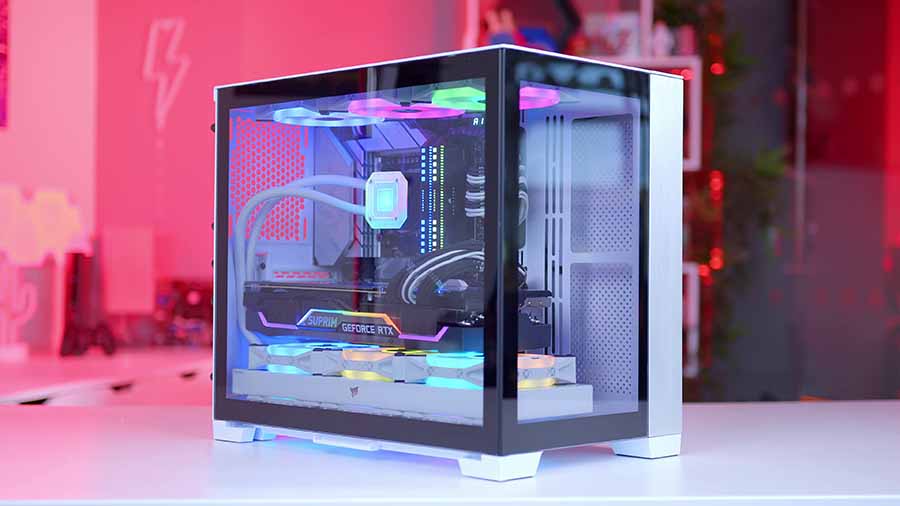
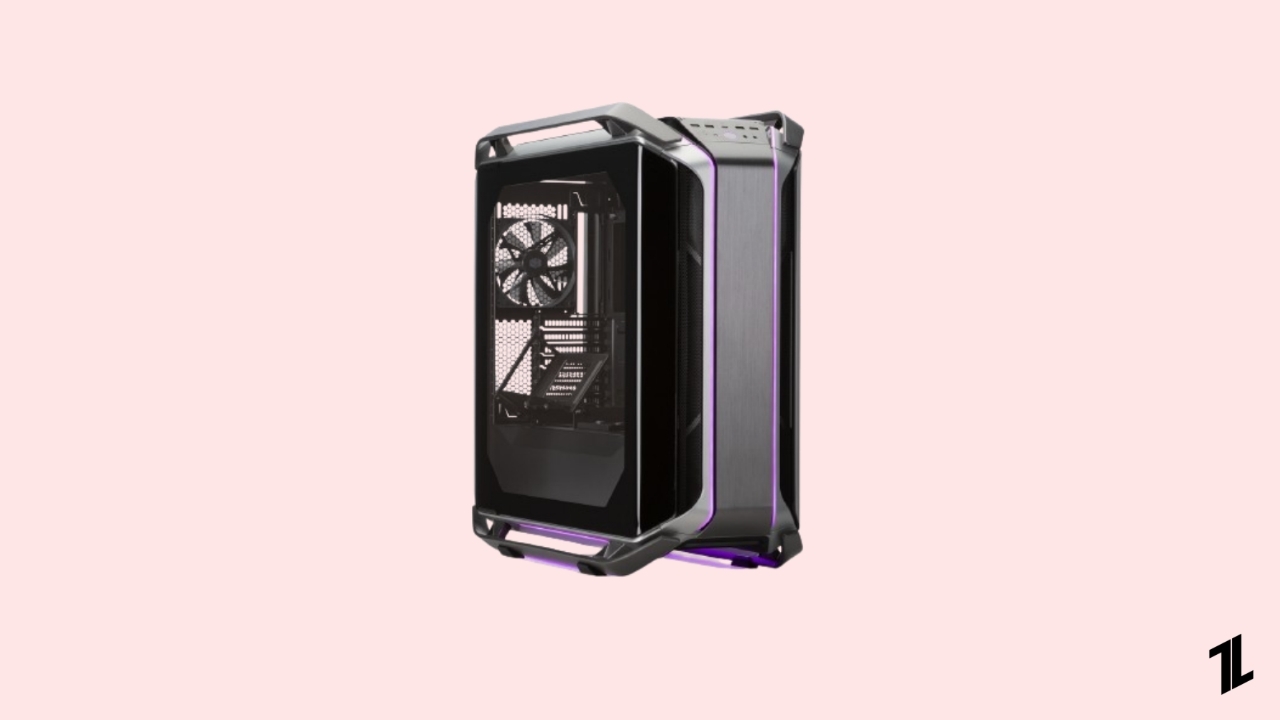

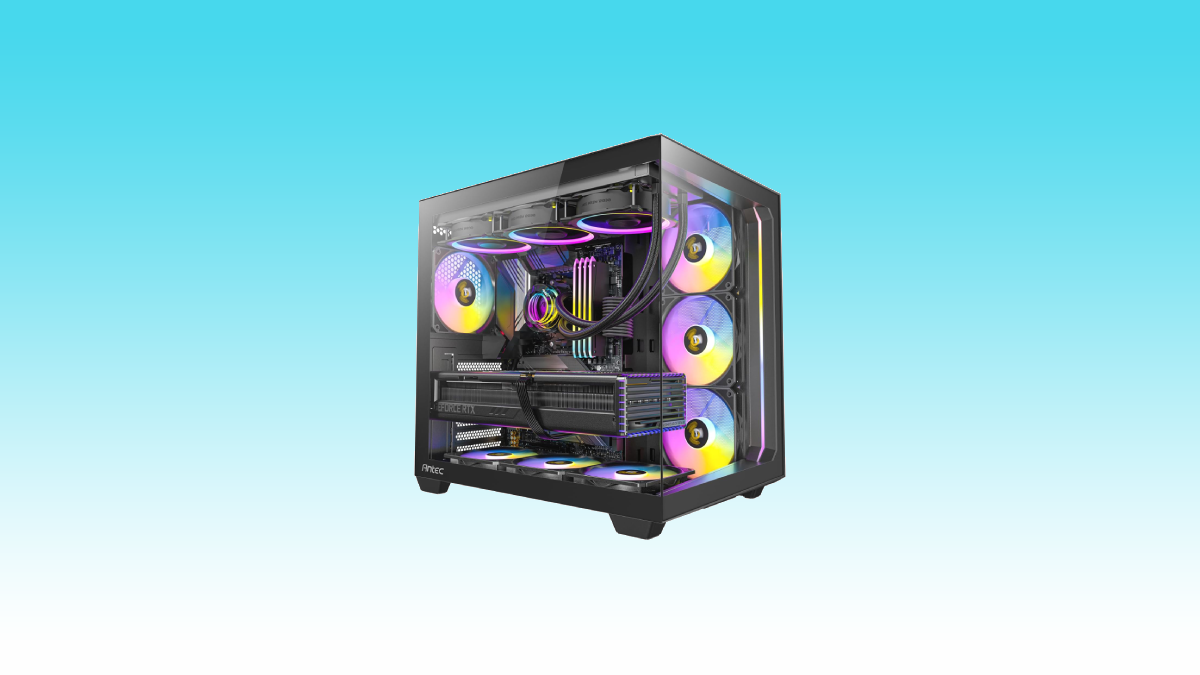
Top PC Cases For RTX 4090 And 5090 Big Gpu Support Best Cases For Rtx 4090 5090 Size Banner.webp. Best PC Cases For The RTX 4090 GeekaWhat MPI Lian Li O11D Mini . Best PC Cases For RTX 4090 Our Top 4 Picks TechLatest Cooler Master Cosmos C700m . What Is The Best Case For The RTX 4090 YouTube Hqdefault . Best Cases For The RTX 4090 PC Guide Best Case For RTX 5090 In 2025 Our Top Choices

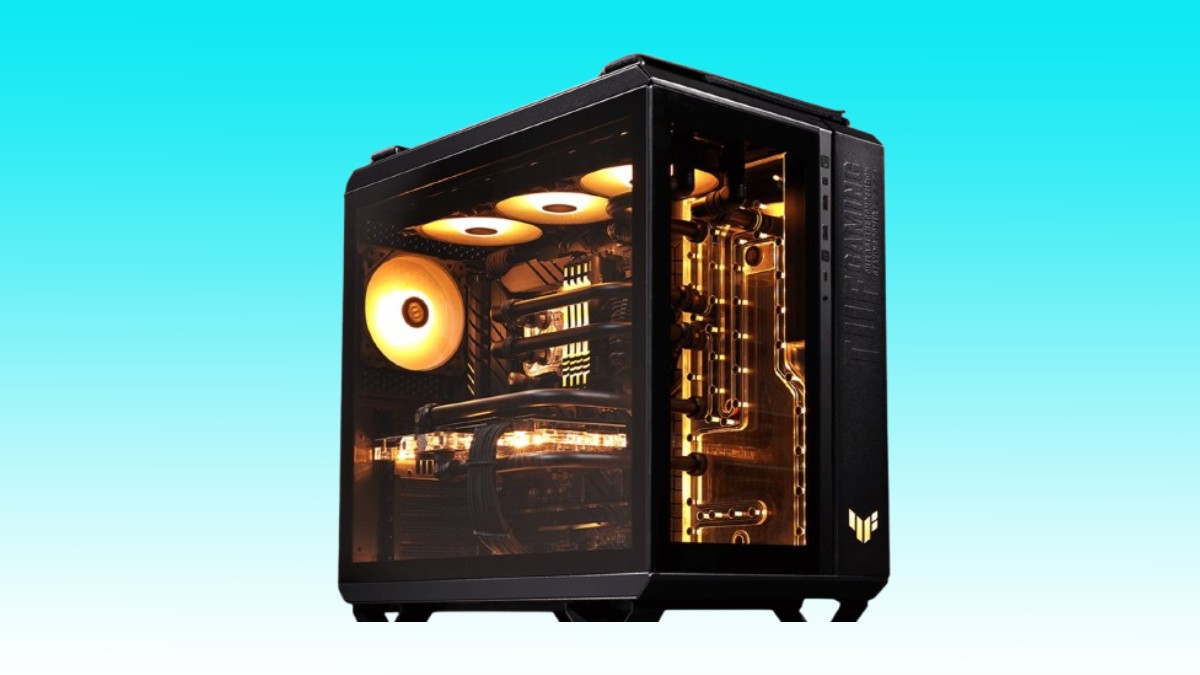
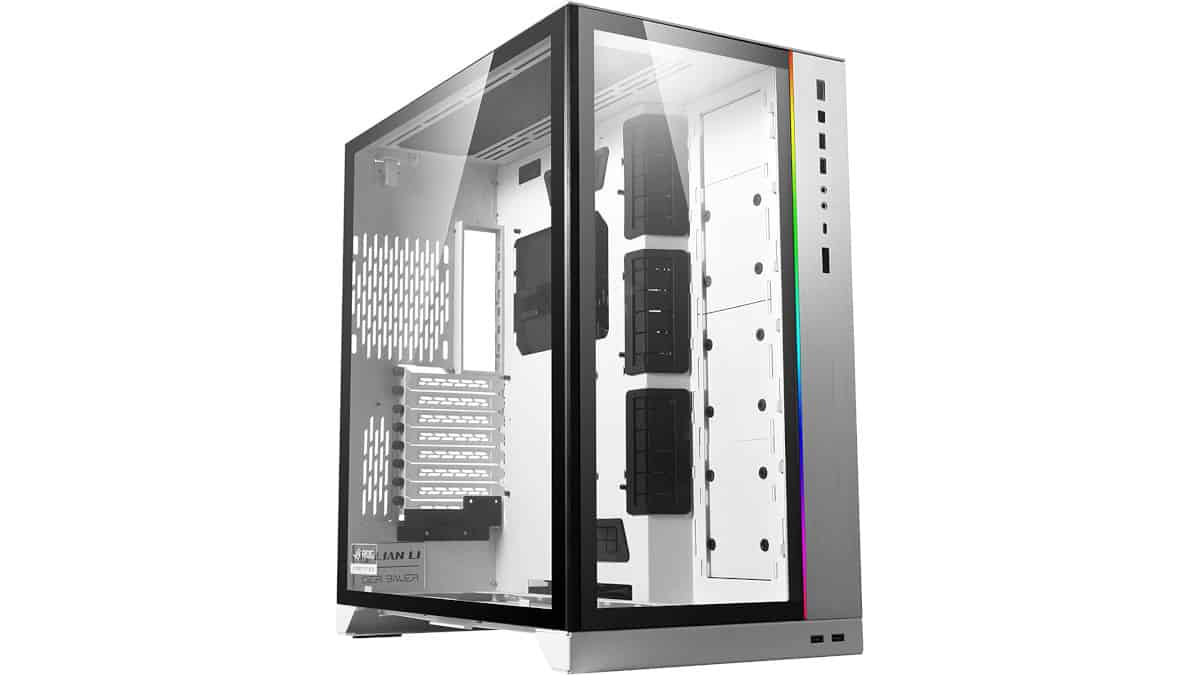

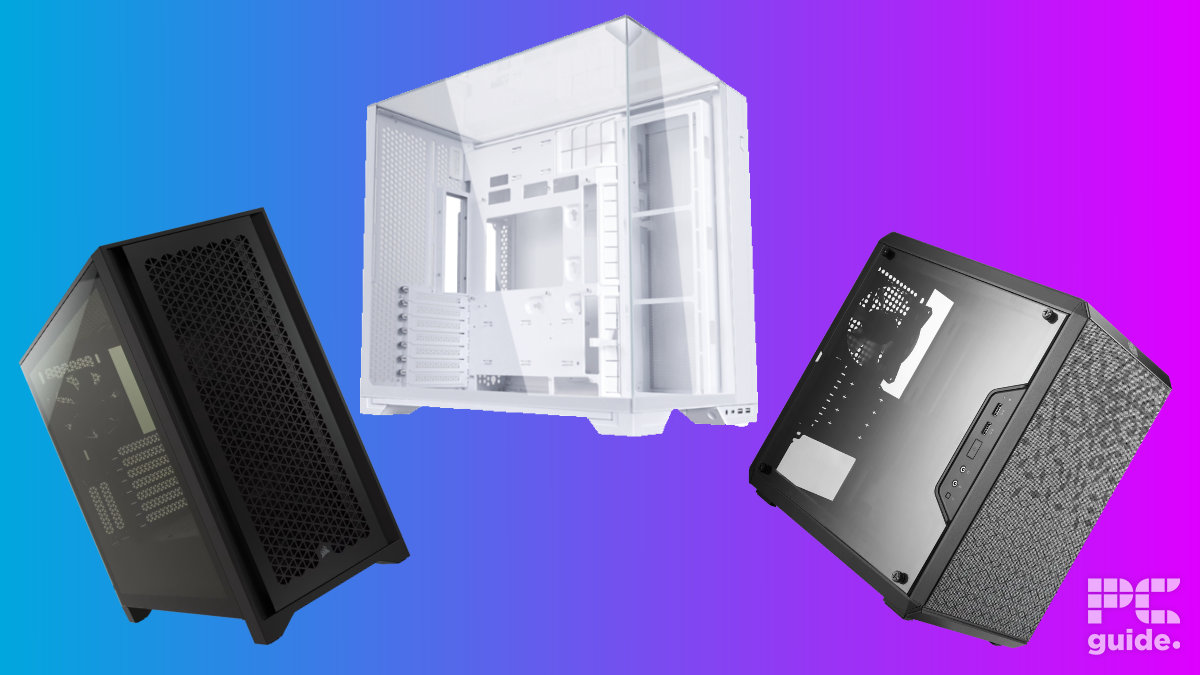
Best Cases For The RTX 4090 PC Guide Best PC Cases For RX 9070 XT And RX 9070 . Best PC Cases For RTX 4090 Of 2025 New PC Cases Review YouTube . Best Cases For The RTX 4090 PC Guide Best Case For RTX 5080 . Best RTX 4090 GPUs In 2026 Our Top Picks PC Guide Lian Li O11 Dynamic XL . Best Case For 4090 R Nvidia Best Case For 4090 V0
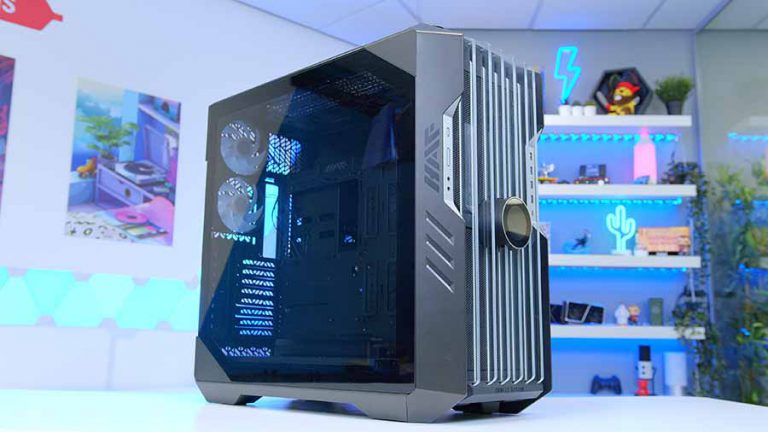



Best PC Cases For The RTX 4090 GeekaWhat MPI HAF 700 EVO 768x432 . Installed The Travel Kit And The 4090 Is Super Stable Now Definitely Installed The Travel Kit And The 4090 Is Super Stable Now V0 . Best PC Case For RTX 4090 Top Picks Buyer S Guide 2023 Best PC Case For RTX 4090 1 768x502 . NVIDIA RTX 4090 Getting The Right Case For A MONSTER Card By Jose Rtx4090case 001 1024x682 . 6 Best GPUs For AI Inference In 2026 RTX 5090 A100 RTX 4090 More H100 Vs A100 Vs RTX 4090
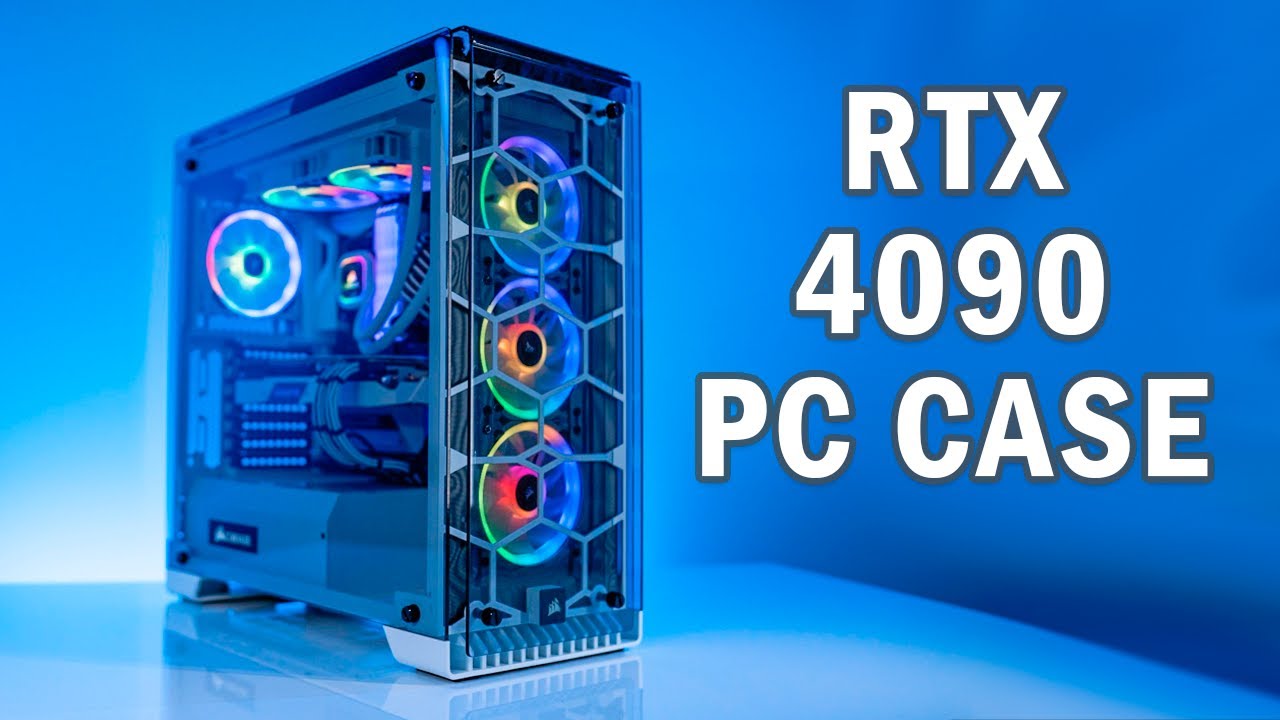




How To Know If A Pc Case Will Fit At Daniel Gilmore Blog . 6 Best GPUs For AI Inference In 2026 RTX 5090 A100 RTX 4090 More Rent GPUs For AI Training And Inference 01 . Best RTX 4090 GPUs In 2026 Our Top Picks PC Guide Best PC Fans For RTX 4090 . 6 Best AMD CPU For RTX 4090 March 2026 Tested Best Dish Towels For Drying 768x419 . 6 Best AMD CPU For RTX 4090 March 2026 Tested Best Kitchen Scale For Coffee 768x419


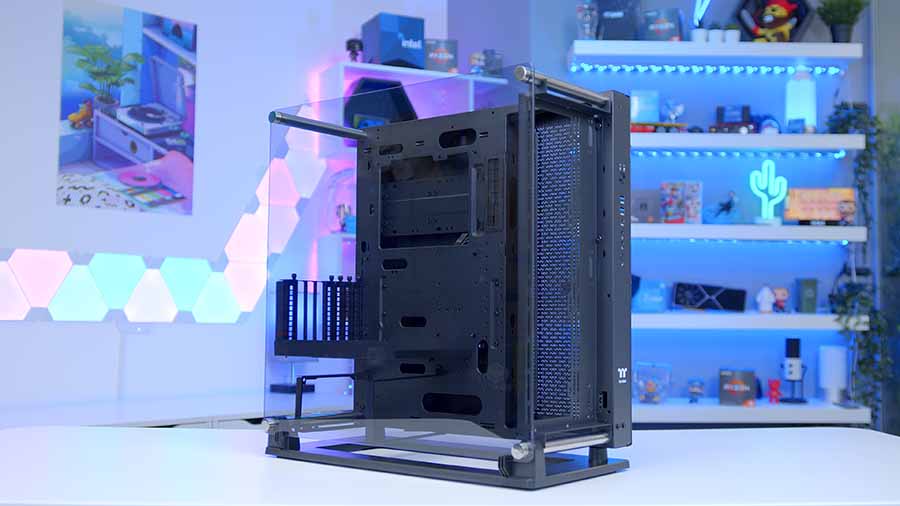
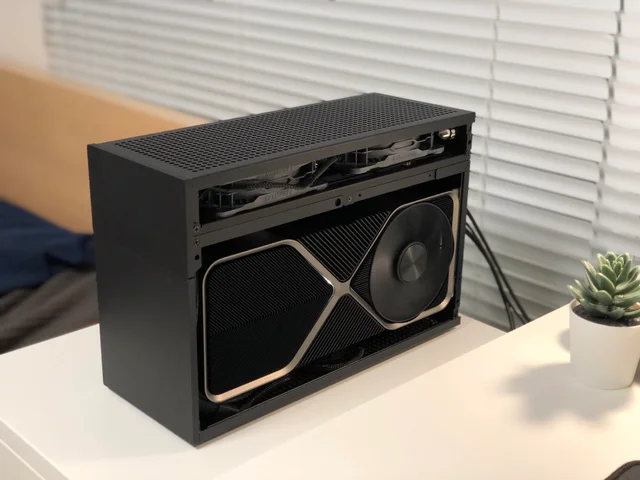
10 8L How Do I Fit The 4090 Into An ITX Chassis Here Is My Answer . 5 Best 4090 For Water Cooling In 2026 Best 4090 For Water Cooling 300x225 . How To Build A Small Form Factor RTX 4090 Gaming PC Build GeekaWhat Thermaltake 4090 Build Feature 300x169 . Best PC Cases For The RTX 4090 GeekaWhat MPI Core P3 TG Pro . Top 2 Cases For Mini ITX Build With A 4090 Bullish Coder
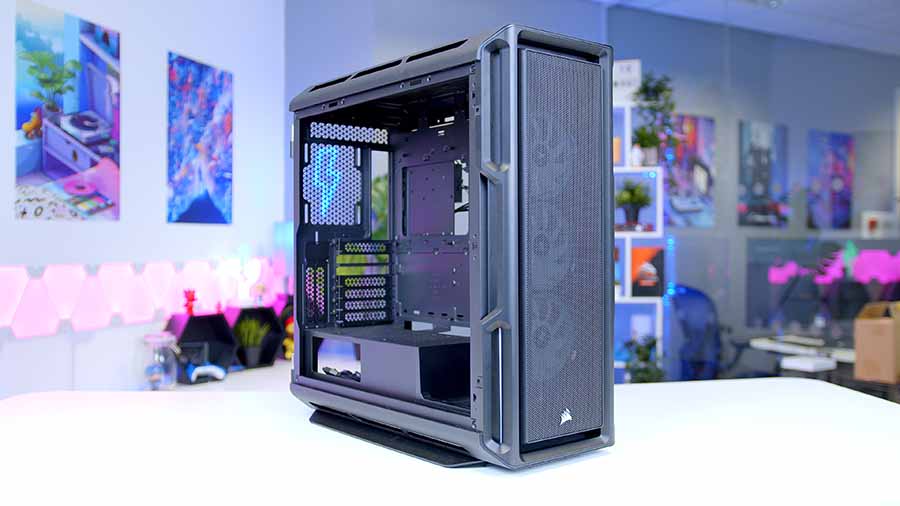

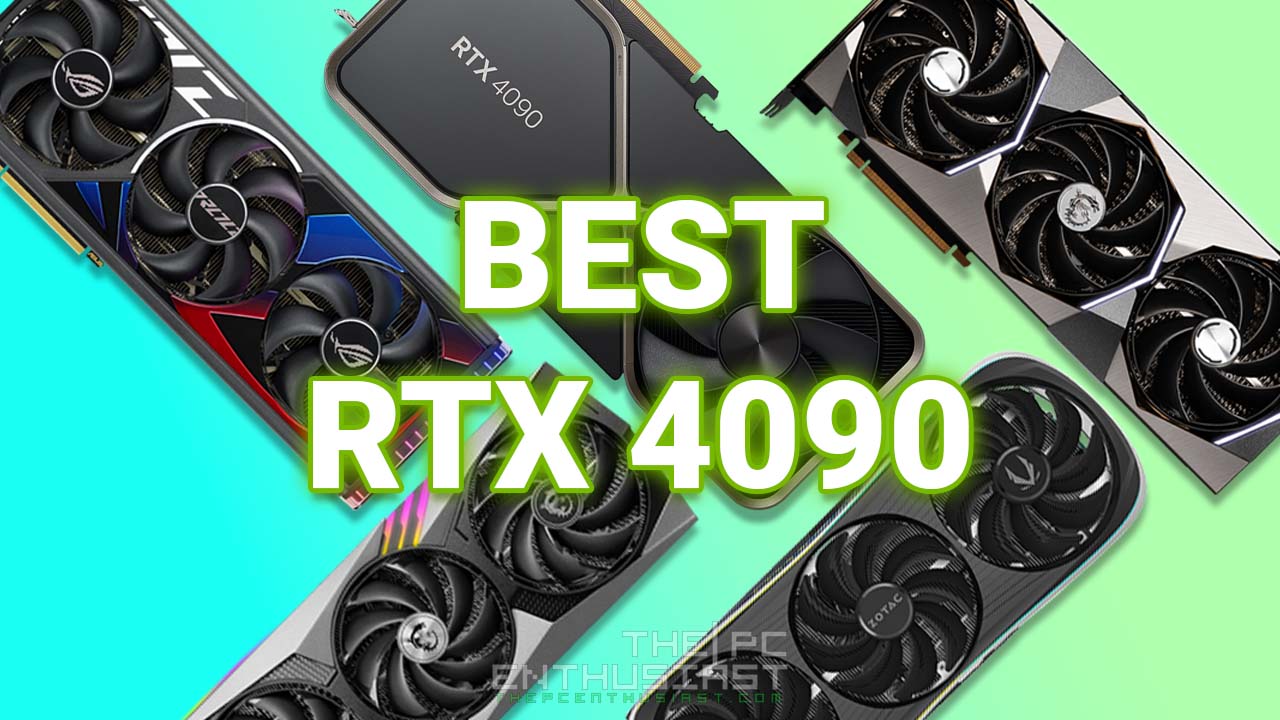
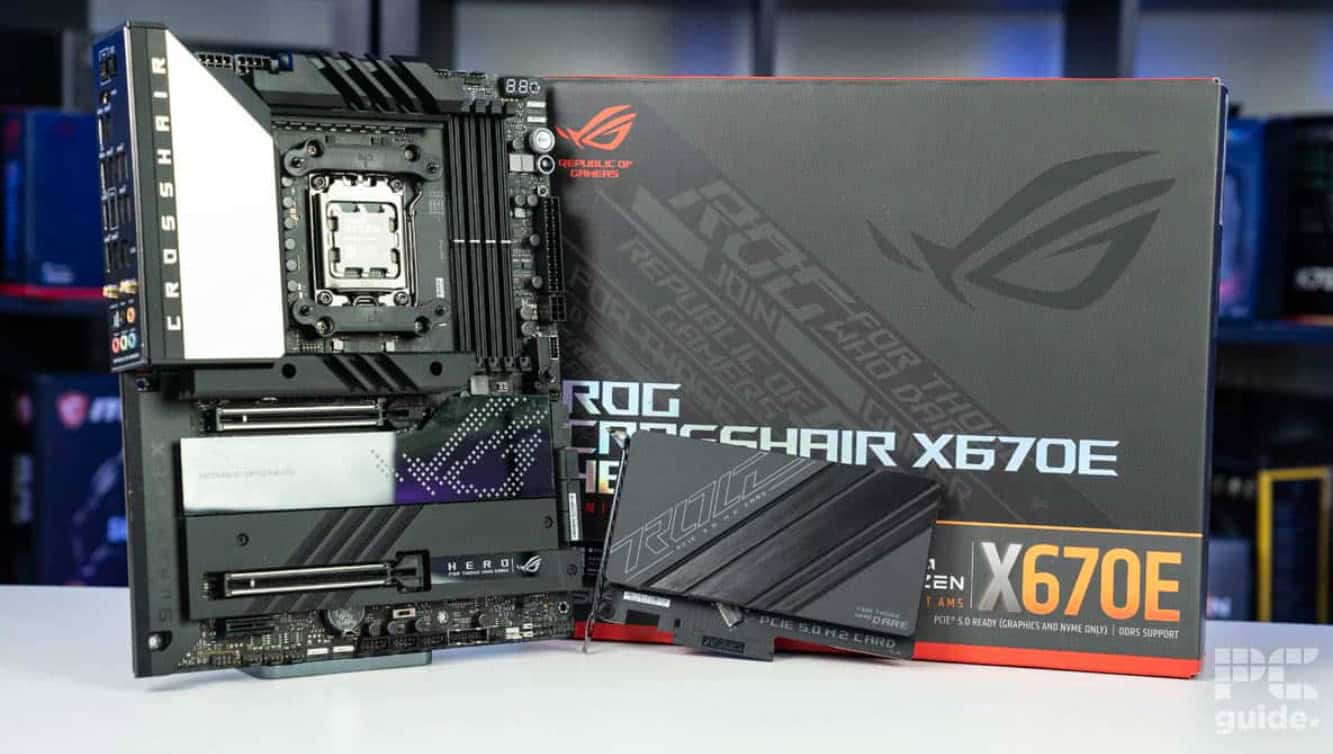
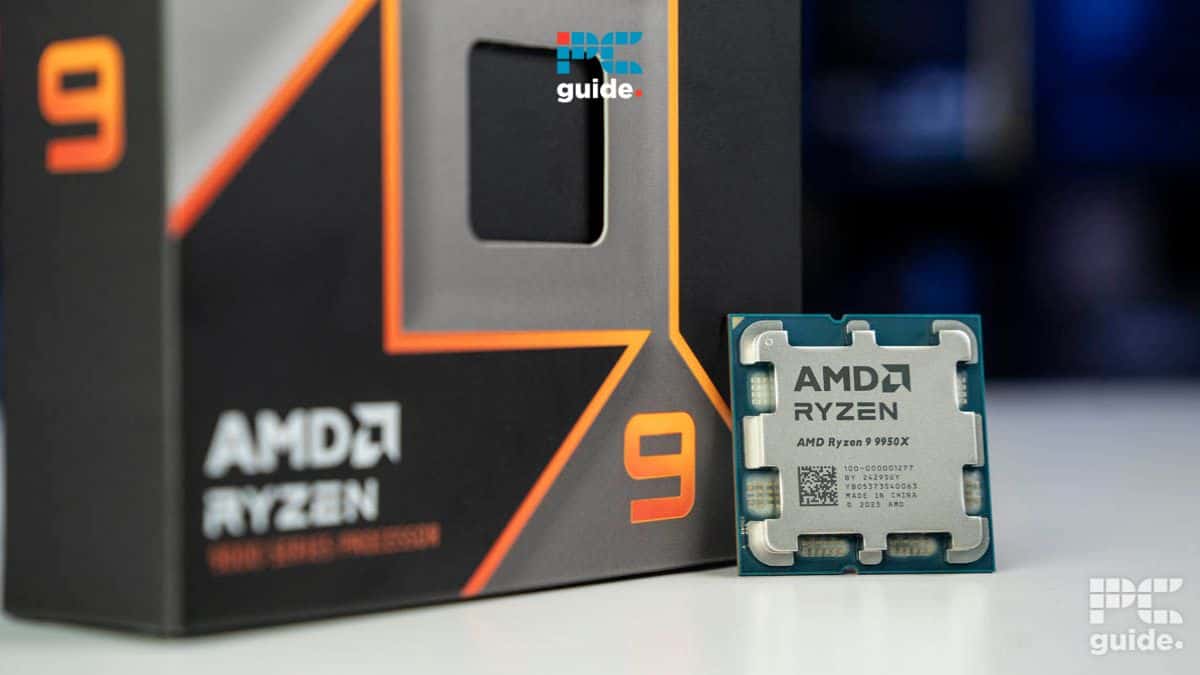
Best PC Cases For The RTX 4090 GeekaWhat MPI ICUE 5000T . Best Case For RTX 4090 In 2024 ATX RGB And Best Budget Friendly Case For RTX 4090 Lian Li O11D Mini 1 . Best RTX 4090 Prebuilt Gaming PCs Available Best Geforce Rtx 4090 Graphics Cards . Best RTX 4090 GPUs In 2026 Our Top Picks PC Guide Best For RTX 4090 1 . What GPU Can Run 360hz PC Guide Best CPU For RTX 4090




4 Best CPU To Pair With 4090 2026 Tested For Free Gaming Featured Image 9t2ghfww . Best PC Case For RTX 4090 2024 Top Cases That Fit The 4090 Best Pc Case For Rtx 4090 . Best Cases For The RTX 4090 PC Guide Samsung TV Remote Codes Featured Image 48 1 . Best PC Cases For The RTX 4090 GeekaWhat PI Lian Li O11D Mini Front Panel Off . 4090 Fit Perfectly On H2O Case R Lianli 4090 Fit Perfectly On H2o Case V0