Ever wondered how you can play the latest PC games without shelling out for an expensive rig? Is GeForce Now cloud gaming the answer you've been looking for? This comprehensive guide dives deep into NVIDIA's innovative service, explaining exactly what it is, how it works, and why it's becoming a game-changer for millions of US gamers. We'll explore its benefits for those balancing work and family, its impact on budget-conscious players, and how it can optimize your gaming performance. Discover which games are supported, understand the subscription tiers, and get practical tips for a seamless streaming experience. Whether you're a casual player or a hardcore enthusiast tired of hardware upgrade cycles, this article provides all the navigational and informational insights you need to decide if GeForce Now is the right fit for your gaming lifestyle in 2026. Stay ahead of the curve and optimize your play without the pain points of traditional PC gaming.
Related games- Guide: GTA 6 Twerk on Car Player Fun & How-To Explored
- How to Code on Roblox Your Game Creation Guide
- Guide How to Download Roblox Images Easily for PC Mobile
- Mastering Roblox Brookheaven Your 2026 Guide
- Guide How to Get and Use a 100 Roblox Giftcard Smartly
What is GeForce Now Cloud Gaming and how does it work for casual players?
GeForce Now is NVIDIA's innovative cloud gaming service that allows you to stream PC games you already own from powerful remote servers directly to almost any device you possess, like a laptop, tablet, or smartphone. For casual players, this means no expensive gaming PC required; simply launch your Steam or Epic Games titles through GeForce Now, and the high-end graphics rendering is handled in the cloud, with the video streamed to your screen. Your device only needs a stable internet connection and the GeForce Now app.
How can GeForce Now help US gamers avoid expensive hardware upgrades?
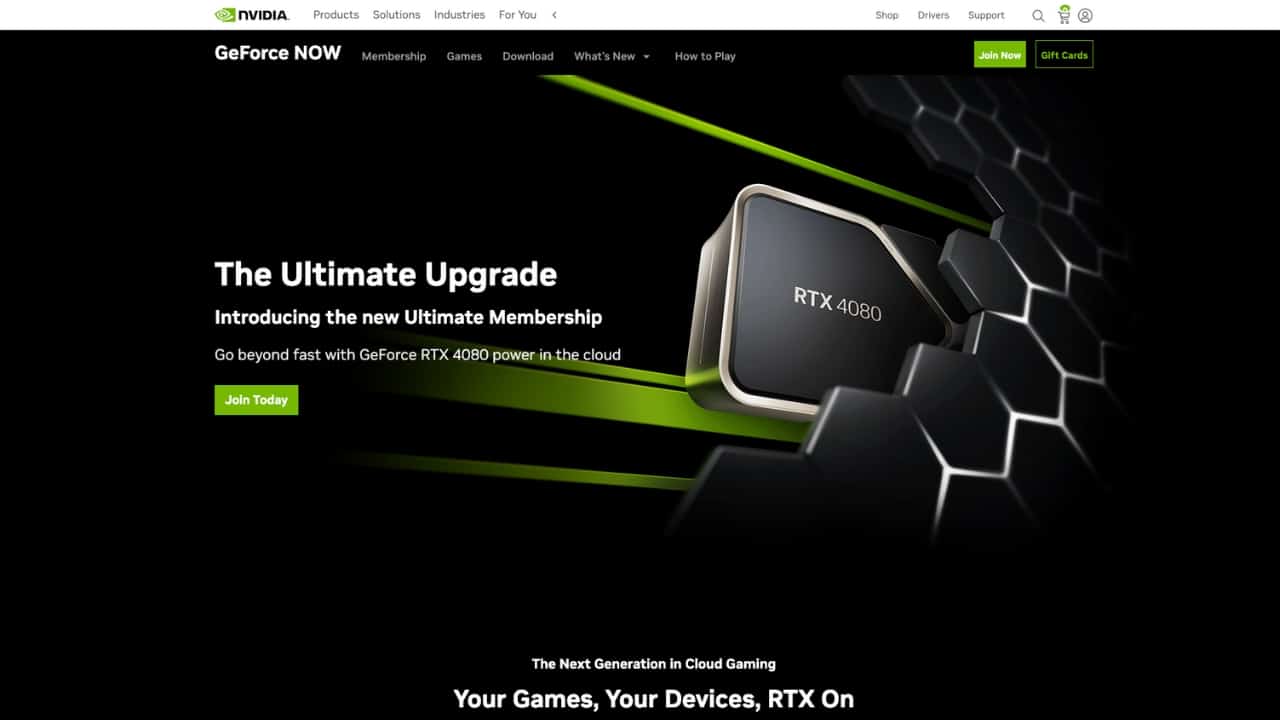
GeForce Now eliminates the need for costly and frequent hardware upgrades. Instead of buying a new graphics card or CPU every few years to keep up with the latest games, you subscribe to GeForce Now. NVIDIA constantly upgrades its server hardware on the backend, ensuring you always have access to cutting-edge GPUs, like the RTX 4080 in their Ultimate tier. This saves you hundreds or even thousands of dollars over time, providing a budget-friendly way to enjoy top-tier PC gaming.
What are the best tips for optimizing GeForce Now performance on a home network?
To optimize GeForce Now performance, prioritize a wired Ethernet connection over Wi-Fi to reduce latency. Ensure your internet speed meets or exceeds NVIDIA's recommendations (e.g., 25 Mbps for 1080p). Use a 5GHz Wi-Fi band if wireless, and enable Quality of Service (QoS) on your router to prioritize gaming traffic. Close background applications on your local device and choose the closest GeForce Now server in the app settings for the smoothest experience.
Who benefits most from using GeForce Now in 2026?
GeForce Now primarily benefits US gamers who don't own a high-end gaming PC, those on a budget, or busy individuals balancing life and gaming. It's perfect for students, professionals, or parents who want to play the latest titles without investing heavily in hardware. Mobile gamers looking for a console-like experience on their phones and Mac/Chromebook users seeking access to a vast PC game library also benefit immensely.
Why is low latency crucial for a good GeForce Now experience, and how is it achieved?
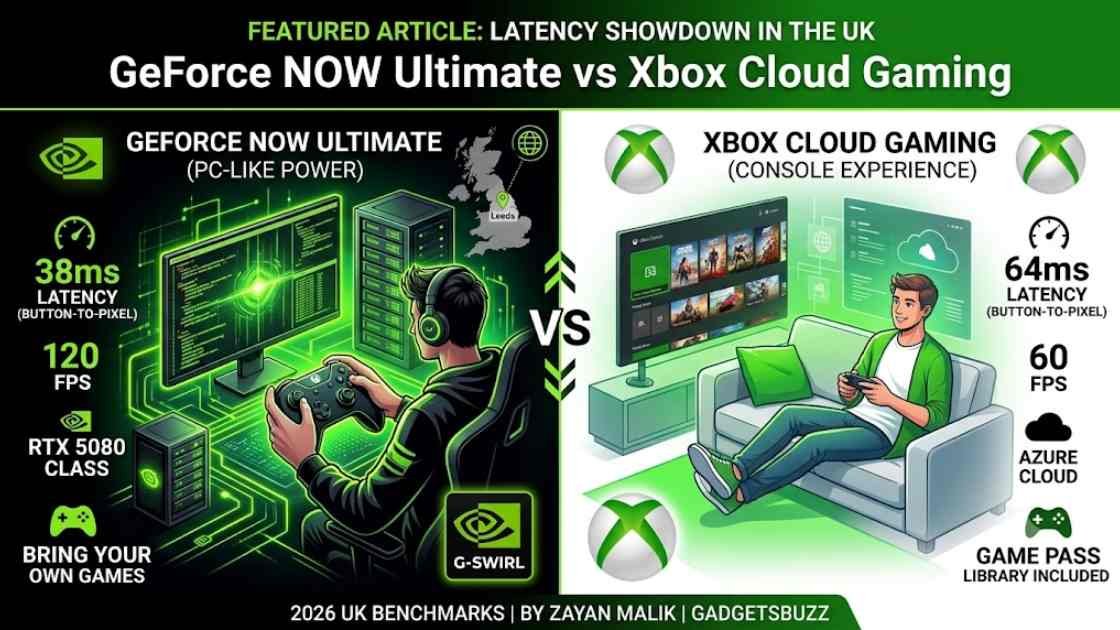
Low latency is crucial for cloud gaming because it minimizes the delay between your input (e.g., clicking a mouse) and the corresponding action appearing on your screen. GeForce Now achieves this through several methods: strategically placed data centers close to users, highly optimized network routing, and advanced video encoding/decoding techniques. A strong, stable internet connection from the user's end, especially wired, is also vital for minimizing latency and ensuring a responsive gaming session.
Are there any common setup issues with GeForce Now, and how can they be resolved?
Common GeForce Now setup issues often revolve around network connectivity. Problems like stuttering, low resolution, or disconnections can often be resolved by switching to a wired Ethernet connection, checking internet speed, or adjusting router QoS settings. Ensuring your device's drivers are updated, especially for graphics, and trying different GeForce Now server locations in the app's settings can also help troubleshoot and resolve many performance-related concerns effectively.
How does GeForce Now integrate with existing game libraries like Steam or Epic Games?
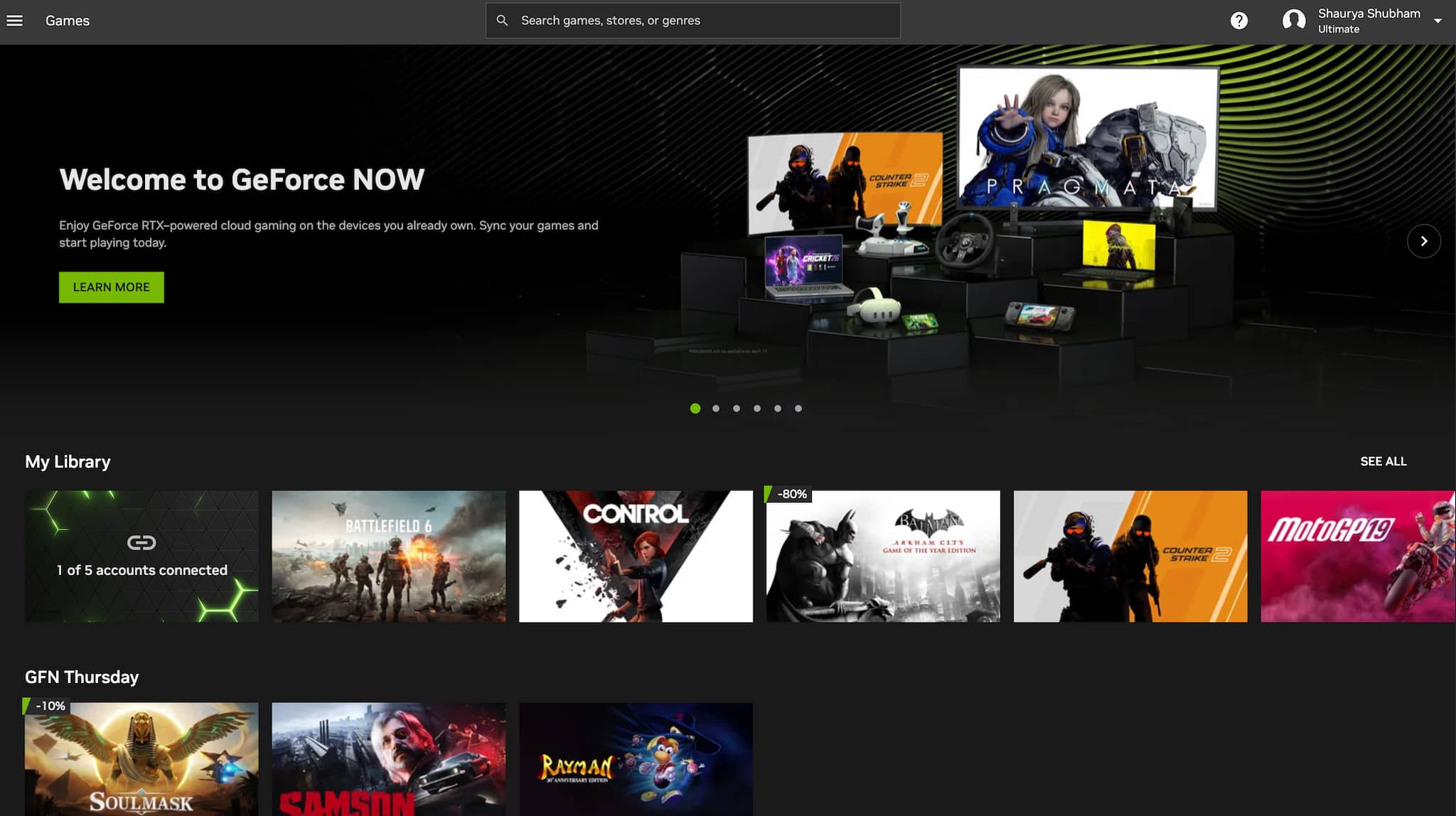
GeForce Now integrates seamlessly with your existing PC game libraries by connecting to popular digital storefronts such as Steam, Epic Games Store, GOG.com, and Ubisoft Connect. You simply link your accounts within the GeForce Now application. Once linked, any supported game you already own on those platforms becomes playable through the cloud, allowing you to leverage your existing purchases without having to buy games again within the GeForce Now ecosystem.
Are you a gamer who dreams of playing the latest, most graphically demanding titles without the constant worry of expensive hardware upgrades? Do you find yourself balancing a demanding job, family commitments, and a passion for gaming, wishing for more time to just *play* rather than troubleshoot? You're not alone. For many US gamers, the struggle is real. With an average age of around 36 and nearly 60% of us regularly diving into virtual worlds for 10+ hours a week, the desire for accessible, high-performance gaming that fits our busy lives is stronger than ever. The good news is, there's a revolutionary solution making waves: GeForce Now cloud gaming. This service promises to liberate you from the shackles of your hardware, letting you stream PC games directly to almost any device you own.
Imagine turning your older laptop, a basic desktop, or even your smartphone into a top-tier gaming rig capable of running Cyberpunk 2077 or Alan Wake 2 at stunning frame rates. This isn't science fiction; it's the reality of GeForce Now. This comprehensive guide will walk you through everything you need to know about GeForce Now cloud gaming, from what it is to how it can solve your biggest gaming frustrations. We'll tackle common setup issues, optimize performance, discuss game recommendations for limited time, and show you how to get incredible value for your gaming dollar. Get ready to game smarter, not harder.
What Exactly is GeForce Now Cloud Gaming?
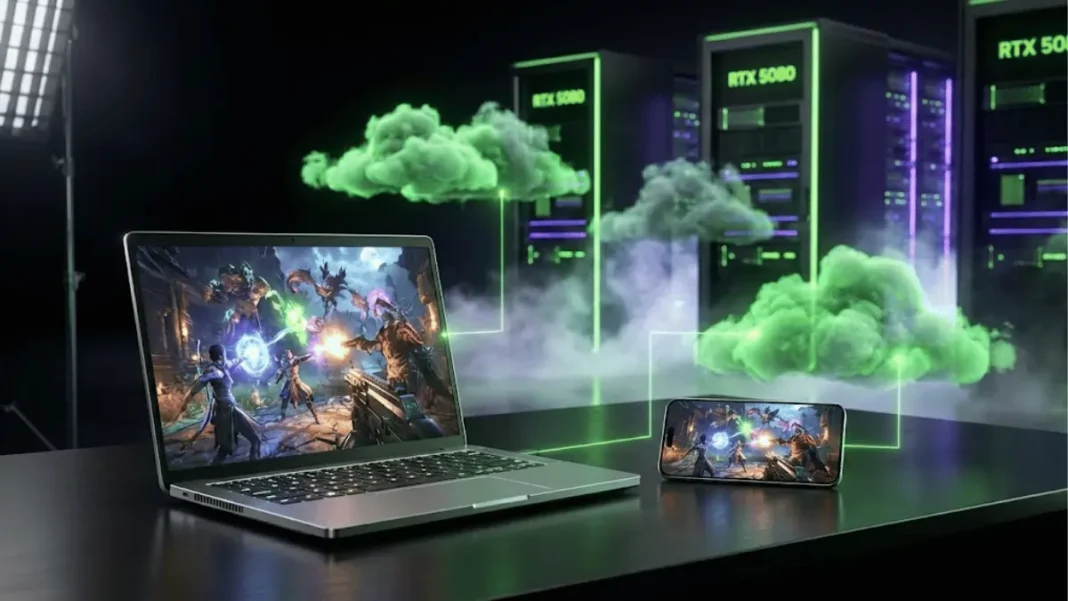
GeForce Now is NVIDIA's cloud-based game streaming service, often described as 'Netflix for games' but with a crucial difference: you play games you already own. Instead of downloading and running games on your local device, GeForce Now connects you to powerful, state-of-the-art gaming PCs in NVIDIA's data centers. These remote PCs do all the heavy lifting, rendering the game and then streaming the video feed back to your screen in real-time, while your inputs (keyboard, mouse, controller) are sent back to the data center. This means your device only needs to be capable of decoding a video stream and sending inputs, not actually running the game itself.
This innovative approach democratizes PC gaming, making high-end experiences accessible to a much broader audience. You're no longer limited by your local hardware's capabilities, opening up a world of possibilities for gamers who might have older computers, Macs, Chromebooks, Android devices, or even smart TVs. It's a prime example of how cloud technology is evolving to meet the demands of modern life, offering flexibility and power without the associated costs of constant hardware upgrades.
How Does GeForce Now Deliver PC Gaming Without a Powerful PC?
The magic behind GeForce Now lies in its robust cloud infrastructure. When you launch a game through the service, a virtual gaming PC is spun up for you in a nearby data center, equipped with powerful NVIDIA GPUs (up to RTX 4080 equivalent for ultimate tiers) and high-speed CPUs. This remote machine then runs the game, streaming the rendered video output to your device over the internet. Your keyboard, mouse, or controller inputs are simultaneously sent back to that remote PC, creating a nearly instantaneous feedback loop.
This means your device acts merely as a display and input terminal. It's similar to watching a high-quality video stream on YouTube or Netflix, but interactive. The heavy computational work, such as graphics rendering, physics calculations, and AI processing, is all handled remotely. For US gamers, this translates to the ability to play demanding titles like Cyberpunk 2077, Assassin's Creed Valhalla, or Destiny 2 at max settings, often in 1080p or even 4K resolution, regardless of whether your local machine is a top-tier gaming rig or a basic office laptop. The primary requirements are a stable, fast internet connection and a compatible device, making it incredibly accessible.
What Games Can You Play on GeForce Now and How Do You Access Them?
One of the biggest strengths of GeForce Now is its library integration. Unlike some other cloud gaming services that require you to buy games within their ecosystem, GeForce Now lets you play titles you already own on popular PC game stores like Steam, Epic Games Store, GOG.com, and Ubisoft Connect. This is a huge win for gamers who've invested years and money into their existing PC game libraries.
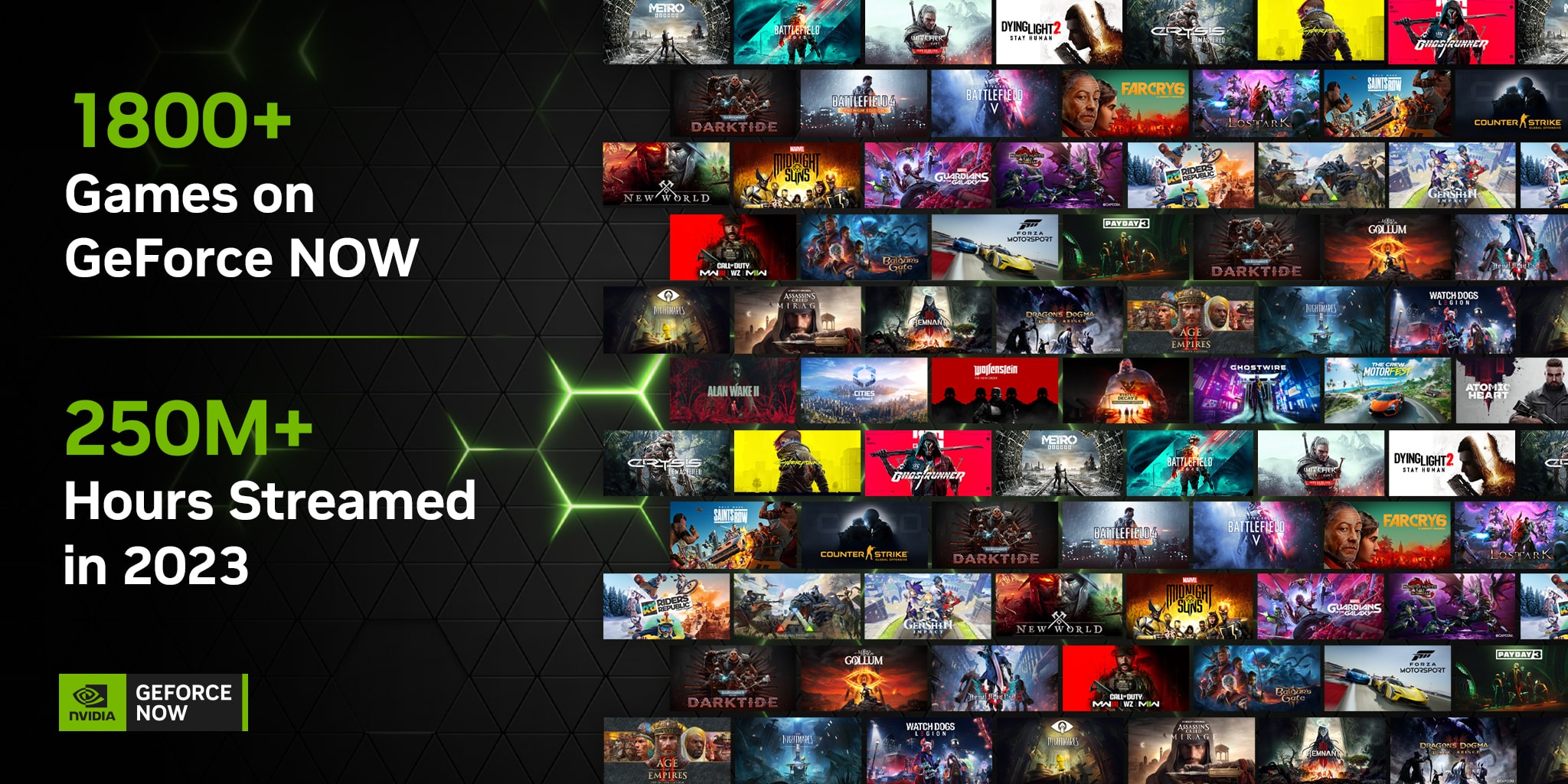
The service supports a vast and ever-growing catalog of games, with new titles added weekly. While not every single PC game is available (due to publisher licensing agreements), the list includes hundreds of the most popular and graphically intensive titles across various genres. You simply link your game store accounts to GeForce Now, and if a game in your library is supported, you can launch and play it instantly. This approach means you're not locked into a new platform; you're simply using GeForce Now as a powerful virtual PC to run your existing games. It's a cost-effective way to get more mileage out of your purchased titles without buying them again.
Is GeForce Now Truly Cost-Effective for US Gamers Balancing Life and Budget?
For the average US gamer, especially those managing jobs, families, and other responsibilities, GeForce Now presents a compelling value proposition. Consider the cost of building or upgrading a modern gaming PC capable of running the latest games at high settings – easily upwards of $1000-$2000, and that's just for the hardware. Then factor in potential upgrades every few years. GeForce Now offers subscription tiers, including a free tier (with limitations) and premium paid tiers (Priority and Ultimate) that provide longer session times, RTX graphics, and higher performance, for a monthly fee significantly less than a single GPU upgrade.
This value is particularly attractive for gamers on a budget or those who want to avoid the headache and expense of hardware maintenance. It allows you to reallocate funds you might have spent on a new graphics card to other aspects of your life, or even to buying more games. For those who game 10+ hours a week, getting access to top-tier performance for a fraction of the cost of ownership makes cloud gaming a smart financial choice. It's about getting more bang for your buck and reducing the barrier to entry for high-quality gaming.
How Does GeForce Now Impact Social Gaming and Connectivity?
In 2026, social gaming isn't just a trend; it's a fundamental aspect of the gaming experience, with Discord chats, co-op sessions, and multiplayer battles defining how many of us connect. GeForce Now fits seamlessly into this landscape. Since you're playing the PC versions of games you own, you're connected to the same servers as traditional PC gamers. This means you can easily jump into multiplayer sessions with friends who are playing on their local PCs, regardless of whether you're streaming from a Chromebook or a Mac.
The service supports popular voice chat applications like Discord, which you can often run on your local device while playing, or sometimes even within the streamed desktop environment itself. This cross-play capability, where your gaming platform doesn't dictate who you can play with, enhances the social aspect of gaming. It removes barriers, allowing friends to game together even if they don't all own powerful rigs. For busy adults, these shared gaming moments are vital for stress relief and maintaining friendships, and GeForce Now makes them more accessible than ever.
What Are the Common Setup and Performance Tips for GeForce Now?
Getting the best experience with GeForce Now is all about optimizing your internet connection and local setup. Here are some key tips:
Wired Connection is King: Whenever possible, use an Ethernet cable to connect your device to your router. Wi-Fi can be prone to interference and inconsistent speeds, leading to latency and stuttering.
Fast Internet Speed: NVIDIA recommends at least 15 Mbps for 720p at 60fps, 25 Mbps for 1080p at 60fps, and 35-50 Mbps for 4K. The faster, the better for a smooth experience.
Reduce Network Congestion: If others in your household are streaming video, downloading large files, or video conferencing, it can impact your GeForce Now performance. Consider playing during off-peak hours or enabling Quality of Service (QoS) settings on your router to prioritize gaming traffic.
Choose the Right Server: GeForce Now automatically tries to connect you to the closest data center. In the app settings, you can check your network status and even manually select a server if you suspect a closer, less congested one might offer a better connection.
Optimize In-Game Settings: Even though the game is running on a powerful server, sometimes adjusting in-game graphics settings can further improve responsiveness, especially if your internet speed is borderline. Experiment with turning down settings like motion blur or shadows.
Close Background Apps: On your local device, close any unnecessary applications running in the background to free up resources for the GeForce Now client and ensure a smooth video decode.
By following these simple steps, you can significantly enhance your GeForce Now experience, reducing common pain points like input lag and visual artifacts.
Can GeForce Now Replace My Gaming PC Entirely?
For many gamers, especially casual players or those on a strict budget, GeForce Now can indeed serve as a primary gaming platform, effectively replacing the need for an expensive local gaming PC. It offers access to high-end graphics and performance that would otherwise be out of reach. For busy adults who want to de-stress with a few hours of gaming after work or once the kids are asleep, the convenience and cost savings are unparalleled. You can literally game on your work laptop once the workday is over.
However, for the most hardcore enthusiasts who demand absolute minimal latency for competitive esports, tinker extensively with game mods, or require access to every single PC game title, a local gaming PC might still offer a slight edge. GeForce Now's library, while extensive, isn't exhaustive, and while latency is remarkably low, it's still a factor of your internet connection. But for the vast majority of US gamers, particularly those who value flexibility, affordability, and simplicity, GeForce Now provides a truly compelling alternative, proving that the future of gaming is definitely in the cloud.
What's the Future of GeForce Now and Cloud Gaming?
The landscape of cloud gaming is evolving rapidly, and GeForce Now is at the forefront. As internet infrastructure improves globally, especially with the rollout of 5G and fiber optics, the common concerns of latency and bandwidth will diminish further. We're already seeing incredible advancements in streaming technology, allowing for higher resolutions, faster refresh rates, and even ray tracing in the cloud. NVIDIA continues to upgrade its server hardware, ensuring that GeForce Now users always have access to the latest GPU technology without needing to buy it.
We can expect even deeper integration with game launchers, potentially more exclusive titles or partnerships, and an expansion into more regions. The trend towards mobile gaming and cross-platform play also perfectly aligns with GeForce Now's strengths. As more developers embrace cloud-native game design, the distinction between local and streamed gaming will become increasingly blurred, making services like GeForce Now not just an alternative, but potentially the default way many people game in the years to come. It's an exciting time to be a gamer!
Conclusion: Embrace the Cloud and Game Smarter
GeForce Now cloud gaming offers a powerful, flexible, and cost-effective solution for US gamers who want to experience the best PC titles without the traditional hardware headaches. Whether you're a busy professional, a budget-conscious enthusiast, or someone simply looking for more ways to play your favorite games across different devices, GeForce Now is a fantastic option. It empowers you to maximize your gaming time, minimize expenses, and stay current with the latest releases. Don't let hardware limitations hold you back from the incredible worlds waiting to be explored.
What's your biggest gaming challenge when it comes to hardware or setup? Comment below!
FAQ Section: Your Quick Questions Answered
Is GeForce Now free to use?
Yes, GeForce Now offers a free tier with limited session lengths (typically 1 hour) and standard access, meaning you might wait in a queue during peak times. Paid Priority and Ultimate tiers offer longer sessions, priority access, and enhanced graphics capabilities like RTX.
What internet speed do I need for GeForce Now?
NVIDIA recommends a minimum of 15 Mbps for 720p at 60fps, 25 Mbps for 1080p at 60fps, and 35-50 Mbps for 4K resolutions. A wired Ethernet connection is always preferred over Wi-Fi for optimal performance.
Can I play games I already own on GeForce Now?
Absolutely! One of the key benefits of GeForce Now is that it allows you to stream games you already own from popular PC stores like Steam, Epic Games Store, GOG.com, and Ubisoft Connect, provided those games are supported by the service.
Is there input lag with cloud gaming?
While some minimal input lag is inherent in any cloud streaming service, GeForce Now is highly optimized to reduce it. Most users report a nearly imperceptible delay, especially with a strong, wired internet connection. For casual and even many competitive games, it's generally not an issue.
Does GeForce Now support controllers?
Yes, GeForce Now supports a wide range of popular game controllers, including Xbox and PlayStation controllers, making it easy to enjoy your games on a variety of devices, from PCs to Android phones and smart TVs.
What devices are compatible with GeForce Now?
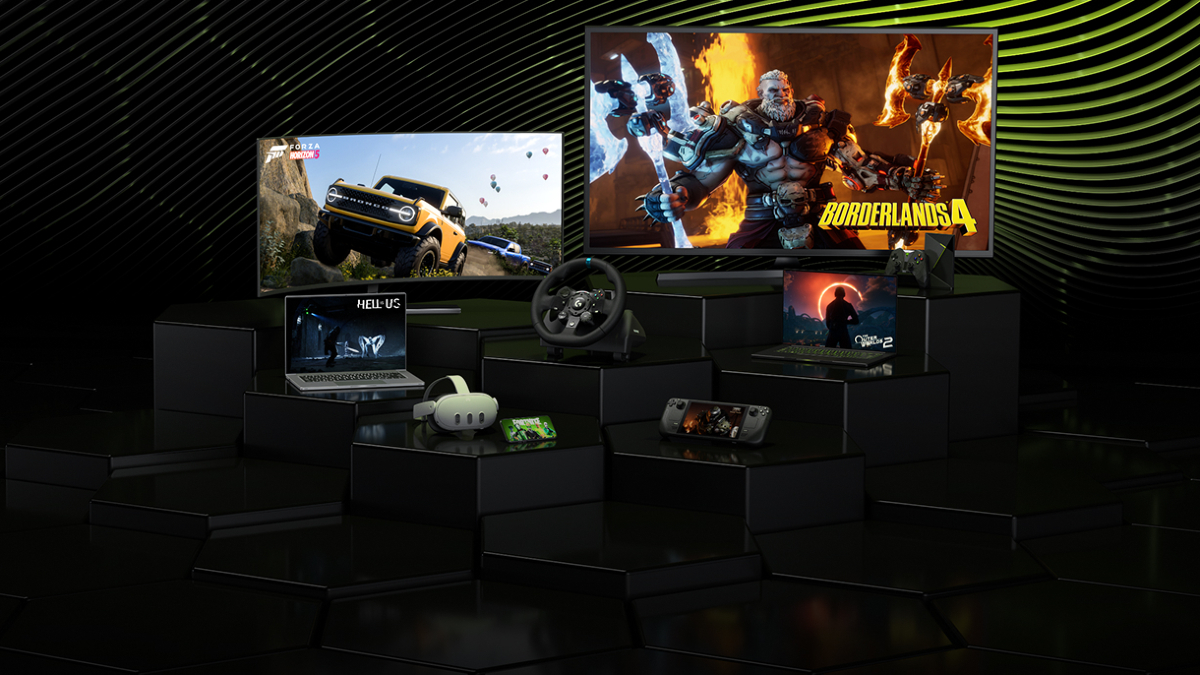
GeForce Now is highly versatile. It's compatible with Windows PCs, Macs, Chromebooks, Android devices (phones and tablets), NVIDIA SHIELD TV, and even through web browsers on some smart TVs, offering incredible flexibility for gamers.
GeForce Now transforms any device into a powerful gaming PC. It streams top PC games directly to your existing device, eliminating expensive hardware upgrades. Access hundreds of titles you already own across various platforms. Enjoy high-performance gaming on a budget, balancing life and play. Overcome setup issues and find game recommendations easily. Join the future of gaming with flexible, accessible cloud technology.
35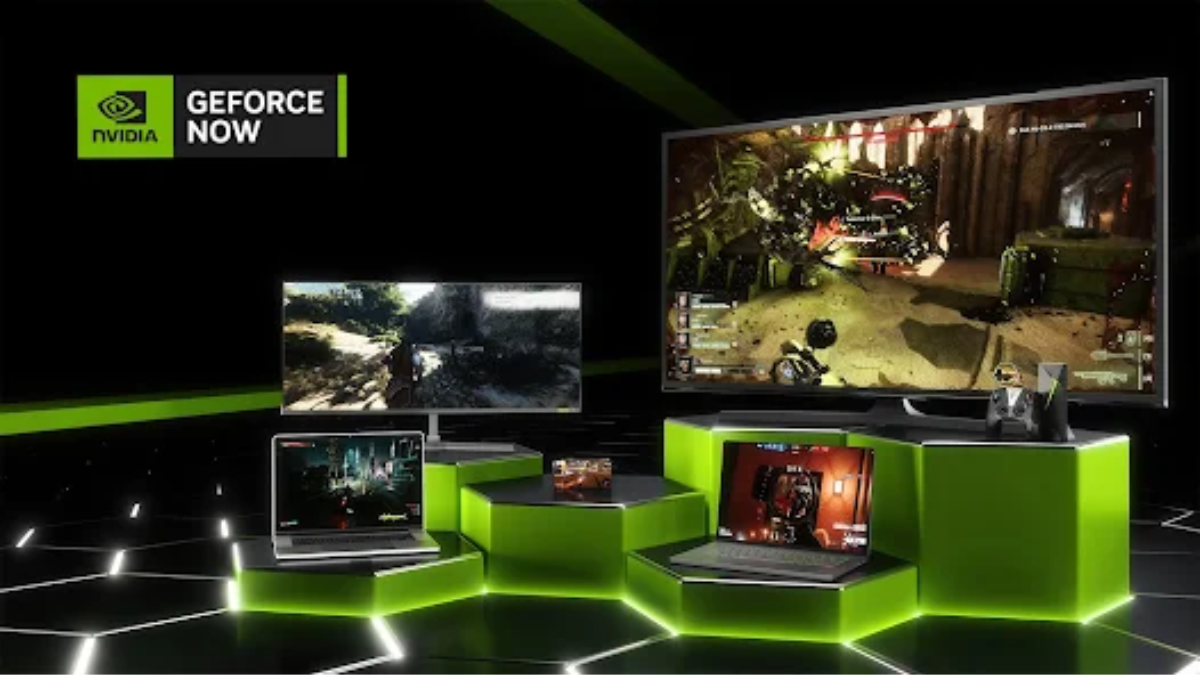

Nvidia Pushes GeForce NOW Cloud Gaming S India Launch To Q1 2026 1763967115 1395 . Best Cloud Gaming Services All Top Platforms Compared 2026 Nvidia Geforce Now Cloud Gaming Preview . Nvidia GeForce Now En F Vrier 2026 Voici Les 24 Nouveaux Jeux Qui Nvidia Geforce Now En Fevrier 2026 Voici Les 24 No Nvidia Geforce Now En Fevrier 2026 Voici Les 24 No. NVIDIA Rolls Out Official Linux Client For GeForce Now Cloud Gaming GeForce Now . GeForce NOW January 2026 14 New Games Added Geforce Now Rtx 5080 Cloud Gaming 2026

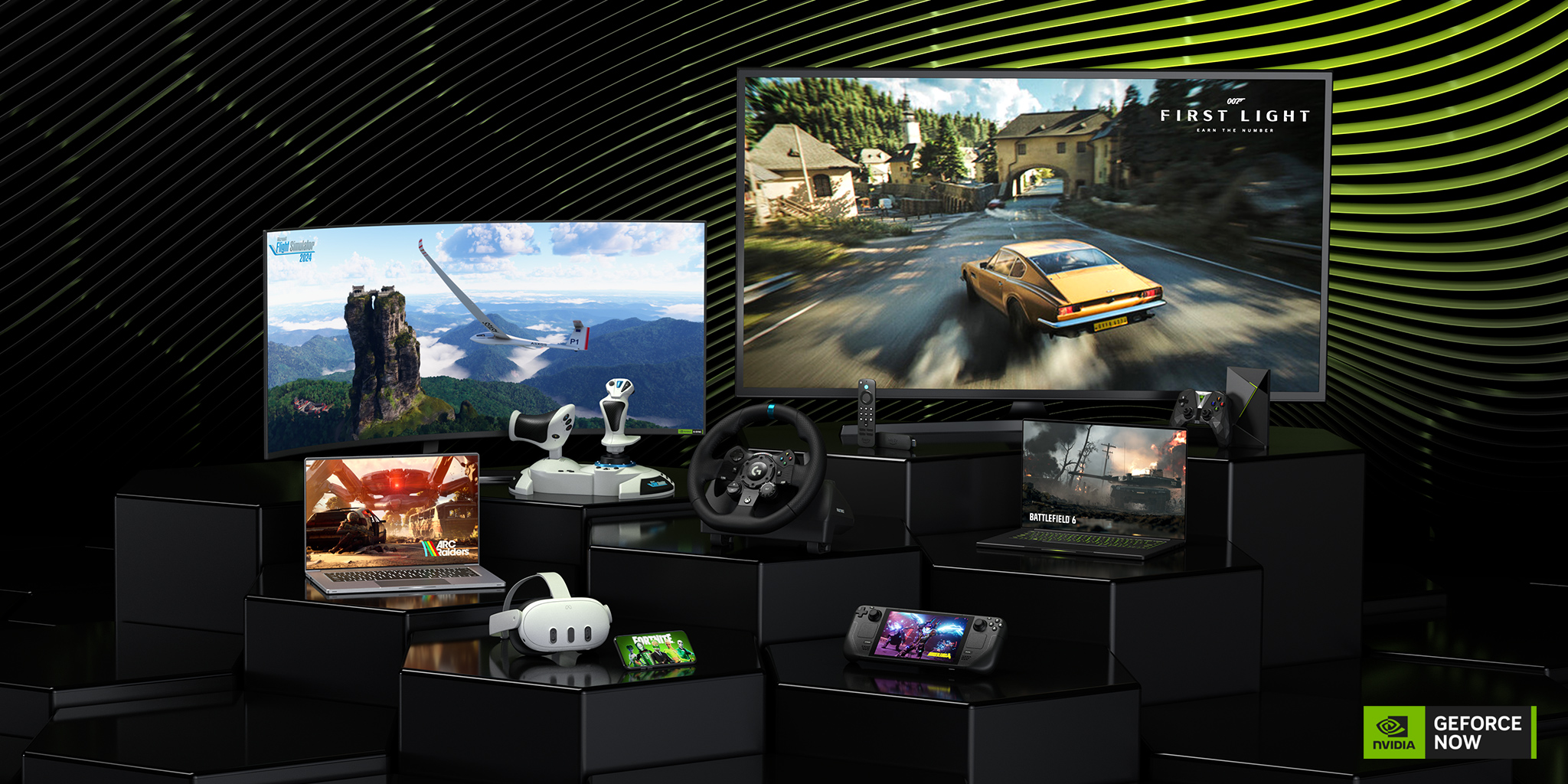
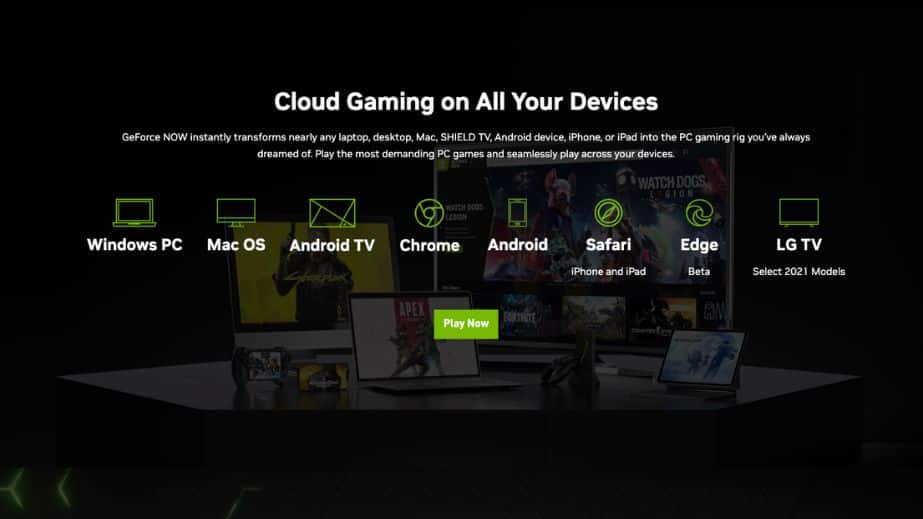
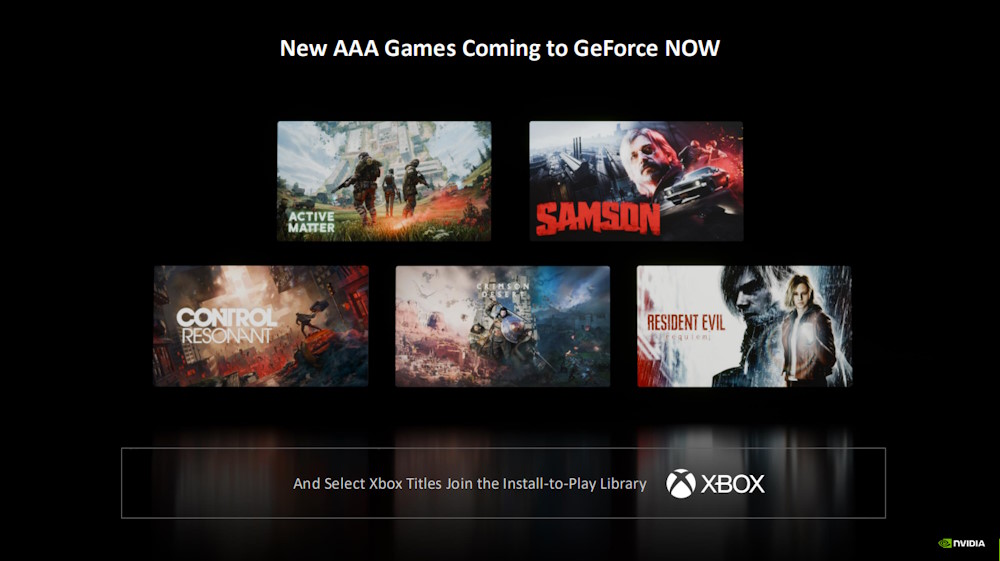
Cloud Gaming In 2026 GeForce Now Vs Xbox Cloud Gaming In The US Geforce Now Xbox Cloud Gaming Ui. PRAGMATA A Game Changer For Cloud Gaming On GeForce NOW Launching 300x300 . GeForce NOW Cloud Gaming The Future Of Gaming In 2024 Memesita Com GeForce NOW CES KV . GeForce Now Cloud Gaming What You Need To Know 2026 Geforce Now Devices . NVIDIA Announces GeForce NOW Upgrades And GOG Integration At GDC 2026 New AAA Games On Nvidia Cloud Gaming

NVIDIA GeForce Now Cloud Gaming Service Is Coming To India In Q1 2026 Nvidia Geforce Now Cloud Gaming 1763792298 . Cloud Gaming Is The FUTURE GeForce NOW Xcloud Launch In India 2026 . Nvidia GeForce Now Review The Moment Cloud Gaming Feels Like PC Gaming GeForce Now Review . NVIDIA GeForce NOW Vs Xbox Cloud Gaming Best Online Game Streaming Xbox Cloud Gaming Vs Nvidia Geforce Now 1771004176 . Nvidia GeForce Now Cloud Gaming Service India Launch Delayed To Q1 2026 Nvidia Geforce Now Cloud Gaming Service P7md.1280
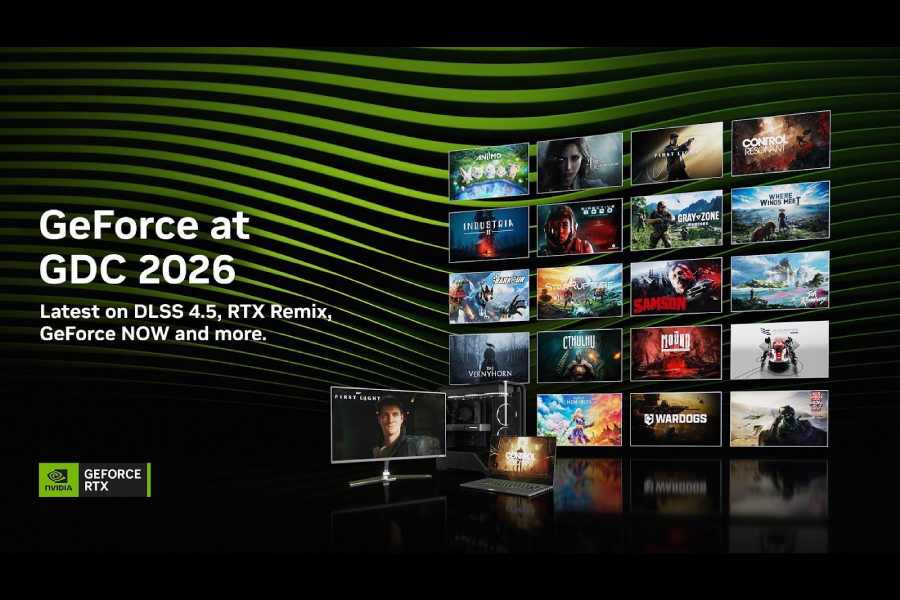

NVIDIA Anuncia En La Game Developers Conference 2026 Las Novedades Para Nvidia . Download Play GeForce NOW Cloud Gaming On PC Mac Emulator Featured . Nvidia GeForce NOW Vs Xbox Cloud Gaming The Cloud Gaming Showdown You Geforce Now Vs Xbox Cloud Gaming Comparison 1776278273 . Nvidia S GeForce NOW Cloud Gaming Service To Launch In India On This. GeForce Now In Der Xbox App Mehr Flexibilit T Beim Cloud Gaming Xcg S1.webp


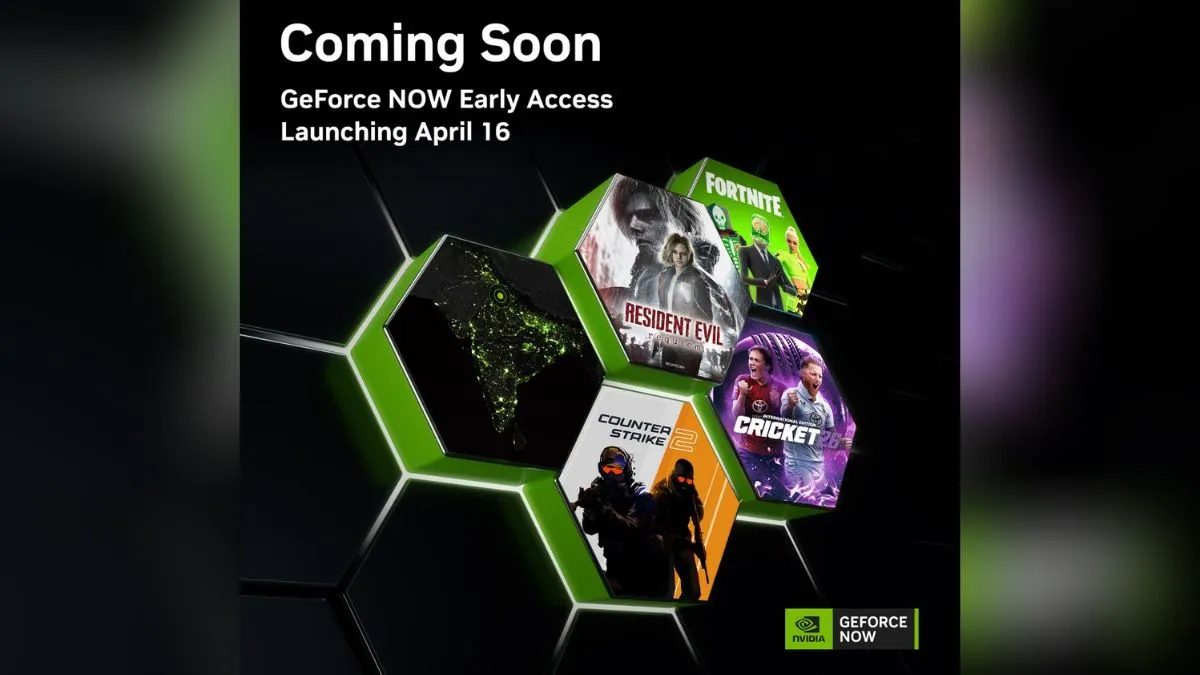
How To Access Nvidia GeForce Now Beta Cloud Gaming Service In India 1776331073 . Nvidia Brings GeForce Now Cloud Gaming To India With Pricing 1645155 Nvidia Geforce Now.webp. GeForce NOW Vs Xbox Cloud Gaming 2026 4K Vs 1080p Geforce Now Vs Xbox Cloud Gaming 2026.webp. GeForce NOW Vs Xbox Cloud Gaming Vs Boosteroid 2026 Testat Geforce Now Vs Xbox Cloud Gaming Vs Boosteroid 2026 1.webp. Best Free To Play Games On GeForce NOW In 2026 Cloud Dosage 3 Images


GeForce NOW Turns Six Users Streamed Over 1B Hours To Date 24 New GFN Thursday Feb 3 . NVIDIA Confirms The Launch Date For GeForce NOW In India Cloud Dosage GFN . 46 New Xbox PC Games On GeForce NOW NVIDIA Blog Gfn Eoy Gamewall Social 2048x1024 2 . NVIDIA Plans GeForce NOW Launch In India By Q1 2026 GEFORCE NOW 1200x624 . Geforce Now Cloud Gaming Recension CloudGG Se Geforce Now Recension Bild


GeForce Now Wins 4K At 20 Vs Xbox 1440p 2026 Geforce Now Vs Xbox Cloud Gaming 2026.webp. GeForce NOW Alza Il Livello Alla GDC 2026 Nuovi Giochi Ricompense E Geforce Now Gaijin Gog 91mb.1280 . GeForce NOW Adds 90 FPS VR Headset Support GOG Linking And New Game Cloud Gaming India GeForce NOW 1024x576 . GeForce Now And Cloud Gaming In 2026 Complete Guide To Streaming PC Image. GeForce NOW Ultimate Vs Xbox Cloud Gaming Which Is Faster On UK GeForce NOW Ultimate Vs Xbox Cloud Gaming