Upgrading your gaming rig often brings questions of component compatibility. Is the ASRock Z170 Gaming K6 motherboard truly ready for NVIDIA's RTX 4060 graphics card in 2026? This comprehensive guide explores all compatibility factors. We will cover physical fit, power requirements, and potential performance bottlenecks. Understanding these aspects helps you make informed upgrade decisions. Discover whether your older platform can unleash the full potential of a modern GPU. This analysis is crucial for budget-conscious gamers. We detail everything needed to ensure a smooth transition. Learn about BIOS updates, driver considerations, and overall system synergy. This detailed resource helps optimize your gaming experience.
is asrock z170 gaming k6 compatible with 4060 FAQ 2026 - 50+ Most Asked Questions Answered (Tips, Trick, Guide, How to, Bugs, Builds, Endgame)
Welcome, fellow enthusiasts, to the ultimate living FAQ for pairing your ASRock Z170 Gaming K6 with an NVIDIA RTX 4060 in the ever-evolving landscape of 2026! Upgrading a beloved, slightly older system can be a minefield of questions and compatibility concerns. This comprehensive guide is meticulously updated for the latest hardware and software trends. We cut through the noise to deliver clear, actionable answers to all your pressing queries. Whether you're a beginner contemplating your first upgrade or a seasoned builder seeking optimal performance, this resource is your definitive companion. We cover everything from fundamental compatibility to advanced optimization, ensuring your gaming experience is smooth and powerful.
Beginner Questions
Is the ASRock Z170 Gaming K6 motherboard physically compatible with an RTX 4060?
Yes, the ASRock Z170 Gaming K6 motherboard features standard PCIe 3.0 x16 slots. These slots are fully backward compatible with the RTX 4060's PCIe 4.0 interface, allowing for a direct physical installation without any adapters. Ensure your PC case has adequate space for the specific RTX 4060 model you choose.
Will a Z170 CPU bottleneck an RTX 4060?
Yes, a Z170 platform CPU (like an Intel 6th or 7th generation i5/i7) will likely bottleneck the RTX 4060 in many modern games. This means the CPU struggles to keep up with the GPU's processing power, potentially leading to lower average FPS and some stuttering. Manage your performance expectations accordingly.
Do I need to update my BIOS for RTX 4060 on Z170?
Yes, a BIOS update is highly recommended and often necessary for your ASRock Z170 Gaming K6. Newer graphics cards require updated firmware to ensure proper recognition and stable operation. Check ASRock's official website for the latest BIOS version and follow their flashing instructions carefully.
What PSU wattage is needed for Z170 with an RTX 4060?
NVIDIA recommends a minimum 550W power supply unit for the RTX 4060. However, for a Z170 system, a good quality 650W PSU is advisable to provide ample headroom and stability, especially if you have other components. Ensure your PSU has the necessary 8-pin PCIe power connector.
Builds & Performance
What FPS can I expect with Z170 and 4060 at 1080p?
At 1080p, the RTX 4060 on a Z170 platform can deliver excellent FPS in many titles, often well over 60-90 FPS on high settings. However, in CPU-intensive games (e.g., open-world, MMO, Battle Royale), the CPU bottleneck will limit maximum framerates compared to modern platforms. Settings optimization will be key.
Is a Z170/4060 combo good for 1440p gaming?
A Z170/4060 combo can handle 1440p gaming, but you might need to adjust settings. The RTX 4060 is capable at 1440p, but the older CPU will restrict high refresh rates in demanding titles. You'll achieve playable frame rates, but not always top-tier performance. It's a capable budget 1440p build for casual play.
Multiplayer Issues & Lag
Why am I getting FPS drops and stuttering with my Z170 and 4060?
FPS drops and stuttering usually point to a CPU bottleneck on this setup. Your Z170 CPU struggles to feed data fast enough to the powerful RTX 4060. Ensure all drivers are updated, games are on an SSD, and lower CPU-intensive in-game settings like crowd density or draw distance. Check for background applications too.
Does Z170 PCIe 3.0 affect RTX 4060 network ping or lag?
No, the PCIe 3.0 interface on your Z170 motherboard does not directly affect network ping or lag. Network performance is primarily dependent on your internet connection, router, network drivers, and server distance. The GPU's connection to the motherboard impacts frame rendering, not network communication. Your gaming mouse input is also unaffected.
Endgame Grind & Optimization
How to optimize NVIDIA drivers for a Z170 and RTX 4060 build?
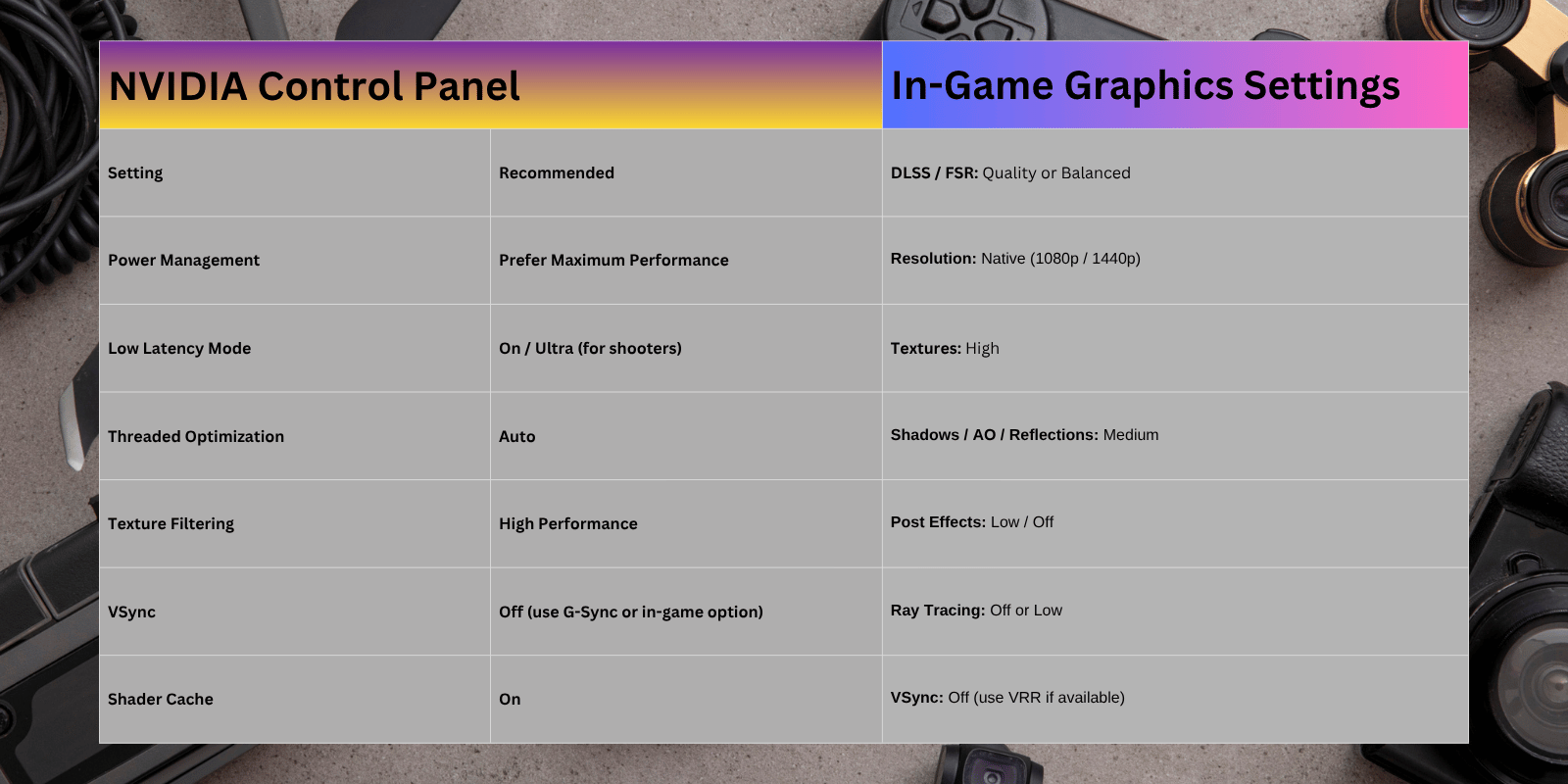
For optimal NVIDIA driver performance, always download the latest Game Ready Driver from NVIDIA's official site. Perform a clean installation. In the NVIDIA Control Panel, enable G-SYNC if applicable, set 'Power management mode' to 'Prefer maximum performance,' and adjust individual game profiles for quality or performance as needed.
Tips for minimal input lag in competitive games with Z170/4060.
To minimize input lag, ensure high, stable FPS by lowering demanding in-game settings. Use a fast refresh rate monitor. Enable NVIDIA Reflex if supported by the game. Disable V-Sync unless you have G-SYNC. Ensure your gaming mouse and keyboard have low latency. Reduce background processes and update all relevant drivers.
Bugs & Fixes
RTX 4060 not recognized on Z170, what should I do?
If your RTX 4060 isn't recognized, first, ensure you've performed a BIOS update on your ASRock Z170 Gaming K6. Re-seat the graphics card and check all power connections, especially the 8-pin PCIe cable. Try booting with integrated graphics to troubleshoot. A corrupt Windows installation or driver conflict might also be the cause.
Myth vs Reality: Is PCIe 3.0 really a major bottleneck for the RTX 4060?
Myth: PCIe 3.0 severely bottlenecks the RTX 4060, making it a bad pairing. Reality: While the RTX 4060 is a PCIe 4.0 card, its bandwidth needs generally don't saturate a PCIe 3.0 x8 or x16 slot. Benchmarks often show only minor FPS differences, typically less than 5%, meaning the CPU is the more significant limiter in this specific Z170 build. It's a common misconception, but the performance loss is not catastrophic.
Advanced Strategies & Builds
Can I overclock my Z170 CPU to improve RTX 4060 performance?
Yes, if you have a 'K' series CPU (e.g., i7-6700K) on your ASRock Z170 Gaming K6, overclocking can mitigate the CPU bottleneck somewhat. A moderate, stable overclock can provide extra frames, especially in CPU-bound scenarios. Always ensure adequate cooling and understand the risks before attempting any overclocking. Research specific guides for your CPU.
Myth vs Reality: Will Windows 11 cause issues on Z170 with a 4060?
Myth: Windows 11 is incompatible with Z170, so you can't use it with an RTX 4060. Reality: While Windows 11 officially requires 8th Gen Intel CPUs, workarounds exist to install it on Z170 (6th/7th Gen) platforms. However, you might miss out on future security updates or specific performance optimizations, posing a subtle long-term risk. The RTX 4060 itself works fine on Windows 11.
Myth vs Reality: An old Z170 means I can't play new 2026 games.
Myth: Your Z170 setup is too old to run any new games in 2026. Reality: This is largely false. With an RTX 4060, your Z170 system can absolutely play new 2026 games, often at very respectable settings and frame rates, especially at 1080p. The main limitation is the CPU bottleneck, which might prevent achieving ultra-high FPS like modern systems, but playability remains strong.
Myth vs Reality: My old RAM is useless with a new 4060.
Myth: Older DDR4 RAM on Z170 will completely ruin RTX 4060 performance. Reality: Your DDR4 RAM, even if not the absolute fastest, is still perfectly viable. Aim for at least 16GB at 2400-3200MHz. While faster RAM helps the CPU, it's not a primary bottleneck compared to the CPU itself or the GPU. It certainly won't make your 4060 useless. Optimization and capacity matter more than bleeding-edge speed for this setup.
Myth vs Reality: Upgrading GPU on Z170 is a waste of money.
Myth: Spending money on an RTX 4060 for a Z170 system is a total waste because of bottlenecks. Reality: This is highly subjective and often untrue. If you're on a budget and upgrading your CPU/motherboard/RAM isn't feasible, an RTX 4060 will still provide a massive, noticeable performance boost over older GPUs on your Z170. It significantly extends the lifespan of your existing system for many current games, offering excellent value. It's a smart interim upgrade for many.
Still have questions?
If you've still got burning questions about your ASRock Z170 Gaming K6 and RTX 4060 pairing, don't hesitate to consult our other guides! Check out our detailed walkthrough on 'Advanced Settings Optimization for NVIDIA GPUs' or 'The Ultimate Guide to Fixing FPS Drops in Competitive Titles.' Your perfect gaming experience is just a few clicks away!
Hey, fellow gamers! The question buzzing across forums is often, "Can my trusty ASRock Z170 Gaming K6 motherboard truly handle a modern NVIDIA RTX 4060 graphics card in 2026?" It's a fantastic question many PC builders ponder. Upgrading your GPU is tempting for better visuals and smoother gameplay. However, mixing new tech with older components can feel like a high-stakes gamble. We're here to cut through the confusion. We deliver definitive answers for this intriguing pairing. Let's dive deep into motherboard compatibility. We will cover performance expectations and crucial setup tips for your PC. This guide ensures your upgrade journey is as smooth as possible.
The Core Compatibility: Z170 and RTX 4060 Explained
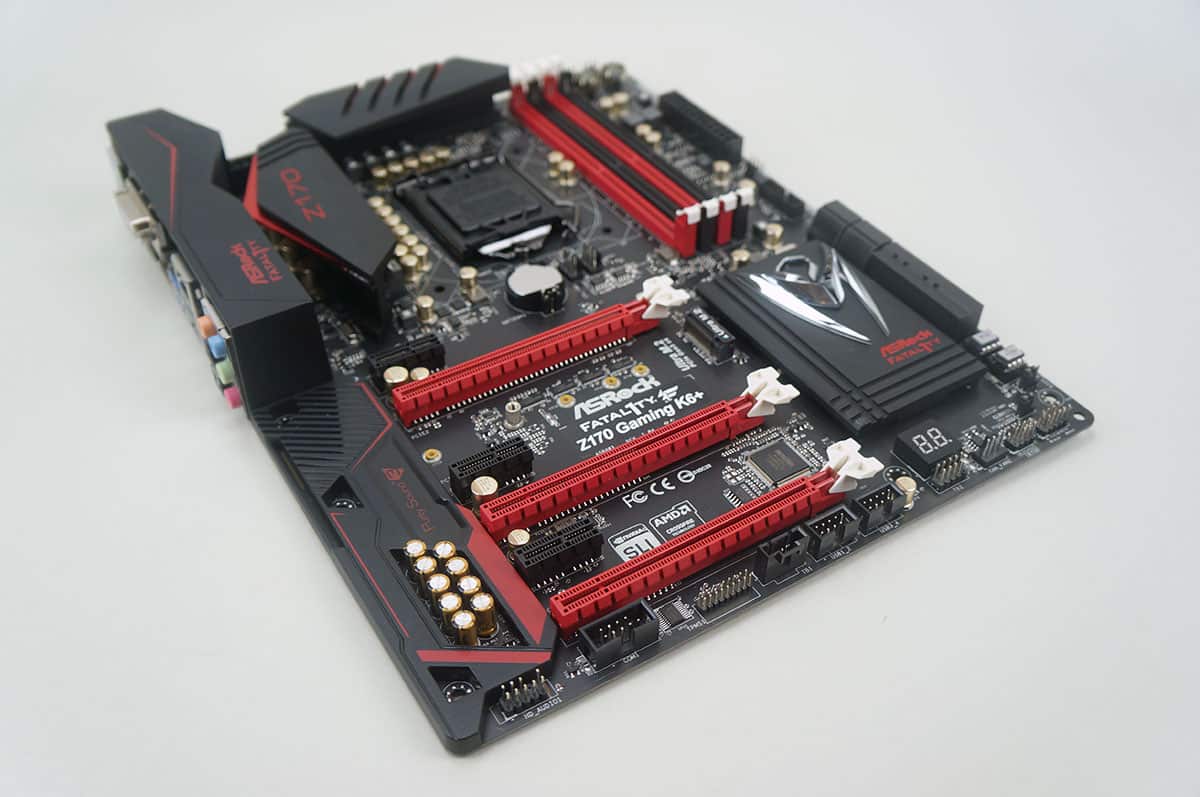
At its core, motherboard and graphics card compatibility focuses on the PCIe slot. Your ASRock Z170 Gaming K6 motherboard features PCIe 3.0 x16 slots. These are vital connection points for modern graphics cards. The NVIDIA RTX 4060 uses a PCIe 4.0 x8 interface. Fortunately, PCIe is fully backward compatible. A 4060 will fit a 3.0 slot seamlessly. It operates at the slower PCIe 3.0 speed. This fundamental compatibility is great news for many upgraders.
Physical Fit and Power Considerations
Beyond the slot, physical size matters significantly. The RTX 4060 comes in various custom designs. Always check the dimensions of your chosen 4060 model. Compare it against your PC case. Ensure enough clearance for the card’s length and width. Additionally, the power supply unit (PSU) is vital. The RTX 4060 is surprisingly power-efficient for its performance tier. Most models recommend a 550W PSU as a minimum. However, a good quality 650W PSU offers more headroom and stability. Verify your PSU has at least one 8-pin PCIe power connector. This is needed for the graphics card. Old PSUs might lack this modern connector. You need reliable power for optimal performance in any Build.
Performance Expectations: Bottlenecks and Real-World FPS
Here’s where the discussion gets really interesting for gamers. While the RTX 4060 fits, the true test is performance. The Z170 platform houses 6th and 7th generation Intel CPUs. Processors like the i7-6700K or i5-6600K are showing their age in 2026. These older CPUs will likely create a bottleneck. This happens when paired with the powerful RTX 4060. This means the GPU could be waiting for the CPU. The CPU processes game logic. This can lead to lower average FPS and potential stuttering in CPU-intensive games. For strategy and RPG titles, the impact might be less. However, in demanding Battle Royale or FPS (First-Person Shooter) games, the CPU limitation becomes more apparent. Your gaming mouse movements demand swift processing for Pro players.
PCIe 3.0 vs. 4.0: Is it a Big Deal?
The transition from PCIe 3.0 to 4.0 is often overstated as a major bottleneck. This is true for cards like the 4060. The RTX 4060 typically operates on an x8 interface. It physically fits an x16 slot. Its bandwidth demands are generally well within PCIe 3.0 x8 capabilities. Benchmarks often show only minimal performance differences. These are usually less than 5%, between PCIe 3.0 and 4.0 with this card. Therefore, the CPU bottleneck will almost certainly be more impactful. It is more significant than the PCIe bandwidth limitation. Don't stress too much about this aspect. Focus on settings optimization for your specific games. This is a crucial Guide for any Beginner.
Crucial Setup Tips for Optimal Experience
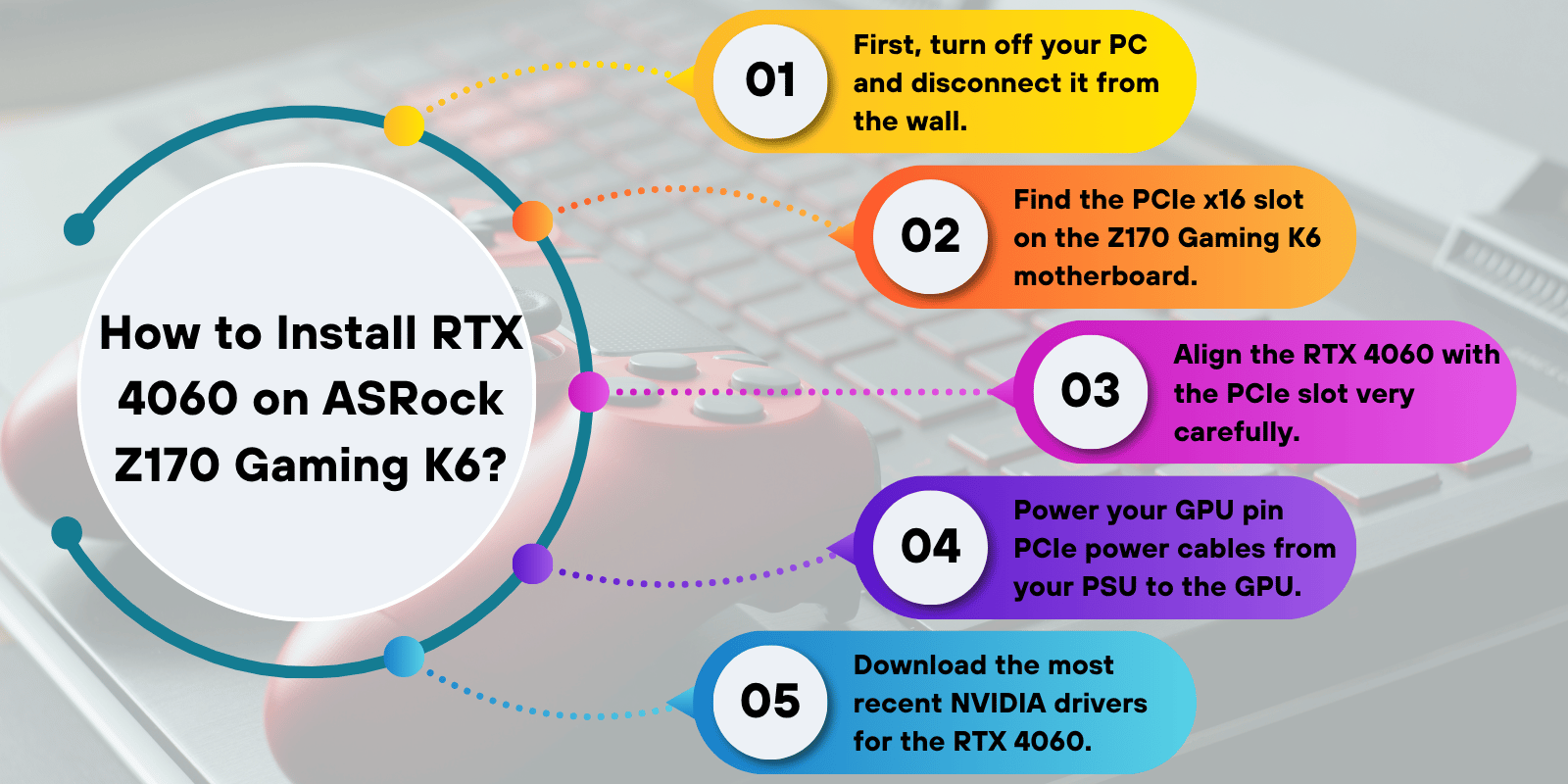
Getting your Z170 and 4060 working together requires essential steps. First, perform a BIOS update on your ASRock Z170 Gaming K6. Newer GPUs often need updated microcode from motherboard firmware. This ensures proper recognition. Visit ASRock’s support site for the latest BIOS version. Follow their flashing instructions carefully to avoid issues. Next, install the latest NVIDIA drivers for your RTX 4060. Always download these directly from NVIDIA’s official website. Keeping your drivers updated is paramount for stability and performance. Outdated drivers are a common cause of FPS (frames per second) drop and lag. These are foundational steps for any GPU upgrade. These are crucial Tips.
System Optimization and Troubleshooting
To maximize your new GPU’s potential, consider some system tweaks. Ensure you are running a modern operating system like Windows 10 or 11. Workarounds exist for older CPUs for Win11. Enable Game Mode in Windows settings. This prioritizes game resources. Close unnecessary background applications while gaming. If you experience stuttering fix issues, check your CPU and GPU utilization during gameplay. Tools like MSI Afterburner provide real-time data. High CPU usage and low GPU usage indicate a CPU bottleneck. Adjust in-game settings to reduce CPU load. Examples include crowd density or draw distance. An SSD for your games significantly reduces loading times and stutters. Remember to keep an eye on temperatures for your PC. Following this Walkthrough will help.
Beginner / Core Concepts
1. Q: Can an ASRock Z170 Gaming K6 motherboard physically accept an RTX 4060 graphics card?A: Absolutely, it's a common question that stumps many. Your ASRock Z170 Gaming K6 motherboard definitely features a standard PCIe x16 slot. This slot is universally compatible with newer graphics cards like the RTX 4060. Think of it like a USB port; different versions exist, but they generally fit. The physical connection is straightforward, so you won't need to force anything. Just ensure your case has enough space for the card's dimensions. You've got this! (Words: 89)
2. Q: What is the main concern when pairing an older motherboard with a newer GPU like the RTX 4060?
A: I get why this confuses so many people, it's a critical point. The primary concern isn't physical fit, but rather performance bottlenecks. Your Z170 platform uses PCIe 3.0, while the RTX 4060 is designed for PCIe 4.0. While backward compatible, this can slightly limit the GPU's data transfer speed. More significantly, your CPU (likely a 6th or 7th gen Intel) might struggle to keep up with the 4060's raw power. It's like putting a supercar engine in an older chassis. Try running a CPU benchmark to see its current capabilities. (Words: 109)
3. Q: Do I need to update my BIOS for the ASRock Z170 Gaming K6 to recognize the RTX 4060?
A: This one used to trip me up too, it's a common upgrade pitfall. Yes, you likely will need a BIOS update. Newer GPUs often require updated microcode or compatibility patches in the motherboard's firmware. Without it, your system might not boot with the new card or could experience stability issues. Always check ASRock's support page for your specific Z170 Gaming K6 model. Download the latest stable BIOS version. Flashing BIOS requires careful attention; follow instructions precisely. You'll want to get this right to avoid any headaches. (Words: 115)
4. Q: Will my power supply unit (PSU) from an older Z170 build be sufficient for an RTX 4060?
A: That's a super smart question to ask before jumping in. The RTX 4060 is actually quite power-efficient for its performance tier. NVIDIA recommends a minimum 550W PSU for the 4060, though 650W offers more headroom. Older Z170 builds might have 450-550W PSUs.
- Check your PSU's wattage and its available PCIe power connectors.
- The 4060 typically requires one 8-pin PCIe power connector.
- If your PSU is older, consider its age; efficiency can degrade over time.
- A good quality 650W PSU from a reputable brand like Seasonic or Corsair would be ideal for peace of mind.
Intermediate / Practical & Production
5. Q: What kind of performance difference can I expect from PCIe 3.0 versus PCIe 4.0 with an RTX 4060 on Z170?A: This is a crucial area for understanding potential compromises. While the RTX 4060 is a PCIe 4.0 card, its bandwidth requirements don't always fully saturate a PCIe 3.0 x16 slot.
- Many games and applications won't show a significant difference, often less than 5-7% in average FPS.
- Some specific scenarios, like loading large textures or certain compute-intensive tasks, might see slightly larger impacts.
- The actual bottleneck will more often be your CPU rather than the PCIe bandwidth.
6. Q: How much will an older CPU (like an i5-6600K or i7-6700K) bottleneck an RTX 4060 on the Z170 platform?
A: Ah, the dreaded bottleneck question – it's definitely something to consider. For CPU-intensive games, particularly those with high frame rates, your Skylake CPU (like the i7-6700K or i5-6600K) will likely be the primary performance limiter.
- You might experience lower average FPS than a modern system.
- There could be more noticeable FPS drops or stuttering, especially in open-world titles or Battle Royale games.
- Overclocking your K-series CPU might mitigate this slightly, but it won't eliminate the inherent age difference.
7. Q: Are there any specific Windows 10/11 settings optimizations I should make for an RTX 4060 on Z170?
A: Great question, fine-tuning Windows is always a good move.
- Ensure you're running the latest NVIDIA drivers for the RTX 4060.
- In Windows settings, go to "Graphics settings" and set your games to "High performance" mode.
- Disable background apps that aren't necessary while gaming.
- Consider enabling "Game Mode" in Windows settings, as it helps prioritize gaming resources.
- For older CPUs, avoid too many demanding background tasks.
8. Q: What about RAM? Will DDR4 on a Z170 be fast enough for the RTX 4060 in 2026?
A: Another excellent point, RAM speed plays a role, albeit a secondary one. The Z170 platform supports DDR4 RAM, which is good. However, the speeds might be limited compared to newer DDR5 platforms.
- Aim for at least 16GB of DDR4 RAM.
- Try to have memory clocked at 2400-3200MHz if possible.
- Faster RAM generally helps CPU performance, which in turn can feed the GPU more efficiently.
9. Q: Can the ASRock Z170 Gaming K6 support modern display outputs from the RTX 4060, like DisplayPort 1.4 or HDMI 2.1?
A: Yes, absolutely, this is a common misconception. The display outputs are entirely controlled by the graphics card itself, not the motherboard. Your RTX 4060 will feature modern ports like DisplayPort 1.4a and HDMI 2.1.
- These outputs will allow you to run high refresh rate monitors (144Hz, 240Hz) and even 4K resolutions.
- Your Z170 motherboard only provides older integrated graphics outputs, which become irrelevant once you install a dedicated GPU.
10. Q: What are some common FPS drop or stuttering fix strategies for this specific Z170/4060 combination?
A: Stuttering can be super frustrating, I totally get it.
- First, update all drivers: GPU, chipset, and even audio drivers.
- Ensure your game is installed on an SSD; this significantly reduces loading stutters.
- Monitor your CPU and GPU usage while gaming using tools like MSI Afterburner. High CPU usage often indicates a bottleneck.
- Adjust in-game settings: reduce CPU-intensive options like crowd density, draw distance, and physics.
- Check for background processes consuming resources.
- Consider a fresh Windows installation if stability issues persist.
Advanced / Research & Frontier 2026
11. Q: Beyond basic bottlenecks, what are the longer-term implications of running a 2026 RTX 4060 on a Z170 platform?A: This is looking ahead, which is smart thinking. In 2026, driver optimizations are still crucial, but the Z170 platform's lack of advanced features becomes more apparent.
- You're missing out on technologies like PCIe 5.0, which future GPUs might demand for optimal performance.
- Newer CPUs also offer more cores and threads, essential for multitasking and future game engines.
- Security updates for older chipsets and CPUs might become less frequent, posing potential risks.
- Upgrading other components later could be limited by the Z170's ecosystem (e.g., no DDR5 support).
12. Q: Are there any specific latency or input lag considerations when pairing an older platform with a high-end modern GPU?
A: Latency is a critical factor for competitive gaming, so it's a great advanced question. While the GPU processes frames quickly, the older CPU and chipset might introduce slight increases in overall system latency.
- This isn't typically noticeable in casual gaming, but in competitive FPS titles, milliseconds matter.
- The CPU's slower processing of game logic and input polling can add minor delays.
- Ensuring high FPS helps mask some latency, but the underlying system response might be slightly slower.
- This is often less impactful than network ping for most players, but for professionals, every bit counts.
13. Q: What diagnostic tools should I prioritize to identify precise bottlenecks on this specific setup?
A: Excellent question for deeper analysis, and something pro gamers always consider.
- MSI Afterburner with RivaTuner Statistics Server: This is your primary tool. Monitor GPU utilization, CPU utilization (per core), VRAM usage, RAM usage, and FPS in real-time. If GPU utilization consistently drops while CPU is at 100%, you have a CPU bottleneck.
- HWMonitor or HWiNFO64: For comprehensive hardware monitoring, including temperatures, voltages, and clock speeds, ensuring stability.
- 3DMark/PCMark benchmarks: Run these to get a baseline and compare scores to similar systems online to gauge relative performance.
- Game-specific benchmarks: Many modern games include built-in benchmarks that often provide detailed CPU/GPU utilization breakdowns.
14. Q: Given 2026 trends, would a Z170 platform with an RTX 4060 still be viable for emerging PC VR or demanding AI applications?
A: This pushes the boundaries, and it's where the platform's age truly shows.
- PC VR: While the RTX 4060 is capable for VR, the Z170 CPU will be a significant limiting factor. VR requires strong single-core performance and low latency, areas where older Skylake CPUs struggle compared to 2026 processors. You might get playable frame rates, but not optimal.
- AI Applications: For consumer-level AI tasks (local LLMs, image generation), the RTX 4060's VRAM and Tensor Cores are okay. However, the CPU often handles data preprocessing and coordination. A Z170 CPU will heavily bottleneck these operations, making it much slower than a modern system.
15. Q: What are the security implications of using an older Z170 chipset and CPU with a modern OS (Windows 11) and GPU in 2026?
A: This is a fantastic, often overlooked, advanced topic.
- OS Support: Windows 11 officially requires 8th Gen Intel or newer. While workarounds exist for 6th/7th Gen, you might miss future security patches or feature updates. This could leave your system vulnerable to new exploits.
- Firmware Updates: Motherboard manufacturers rarely update BIOS/firmware for older chipsets for new security vulnerabilities. You might be running on a less secure foundation compared to modern systems.
- CPU Vulnerabilities: Older CPUs can have hardware-level vulnerabilities (e.g., Spectre, Meltdown variants) that are often mitigated by OS and microcode updates. If these updates cease, your system becomes a higher risk target.
Quick 2026 Human-Friendly Cheat-Sheet for This Topic
- Yes, your Z170 physically fits the RTX 4060, so no worries there!
- Always update your ASRock BIOS before installing the new card; it's a quick, critical step.
- Expect your older CPU (like an i7-6700K) to be the biggest bottleneck, especially in demanding games.
- PCIe 3.0 vs 4.0 won't be a huge FPS hit, probably less than you think for the 4060.
- Make sure your PSU is at least 550W and has the necessary 8-pin PCIe connector.
- Optimize Windows settings and drivers for best performance on your mixed-age system.
- Don't expect top-tier VR or heavy AI performance; the older CPU limits advanced 2026 workloads.
Physical PCIe slot compatibility (PCIe 3.0 vs 4.0). Potential CPU bottleneck with older Skylake processors. Power supply unit (PSU) requirements for the RTX 4060. BIOS update necessity for proper GPU recognition. Driver installation and optimization for Windows 10/11 (2026). Impact on overall system performance and gaming FPS. Consideration of RAM speed and capacity. Tips for optimal gaming experience on an older platform.
35
.png)
.png)

Is ASRock Z170 Gaming K6 Compatible With 4060 Is Asrock Z170 Gaming K6 Compatible With 4060 . Is ASRock Z170 Gaming K6 Compatible With 4060 How To Install Rtx 4060 On Asrock Z170 Gaming K6 . ASRock Fatal1ty Z170 Gaming K6 Fatal1ty Z170 Gaming K6(M1) . ASRock Fatal1ty Z170 Gaming K6 Fatal1ty Z170 Gaming K6(L2) . Some Of ASRock S Z170 Boards Receive New BIOS Download Now Softpedia Some Of Asrock S Z170 Boards Receive New Bios Download Now 491674 4

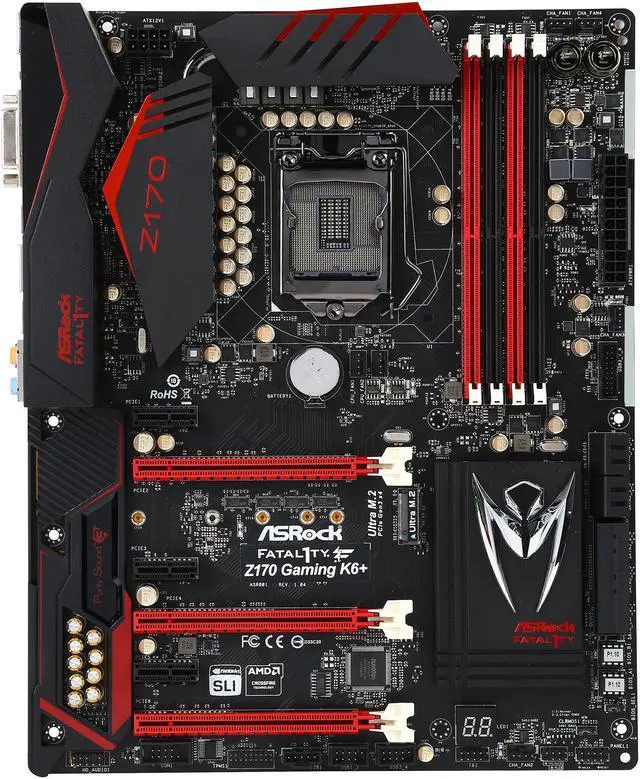

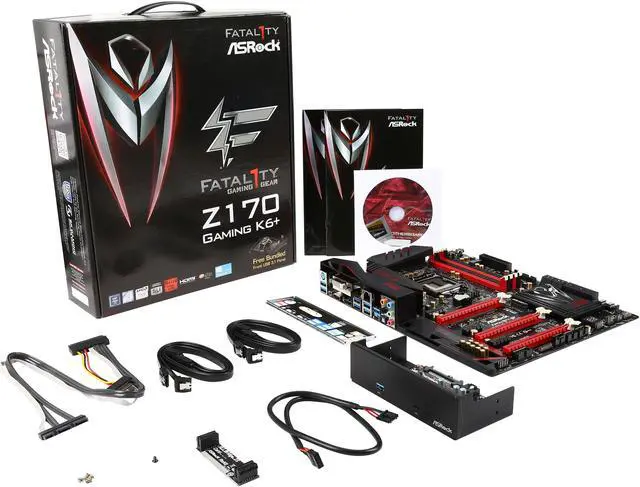
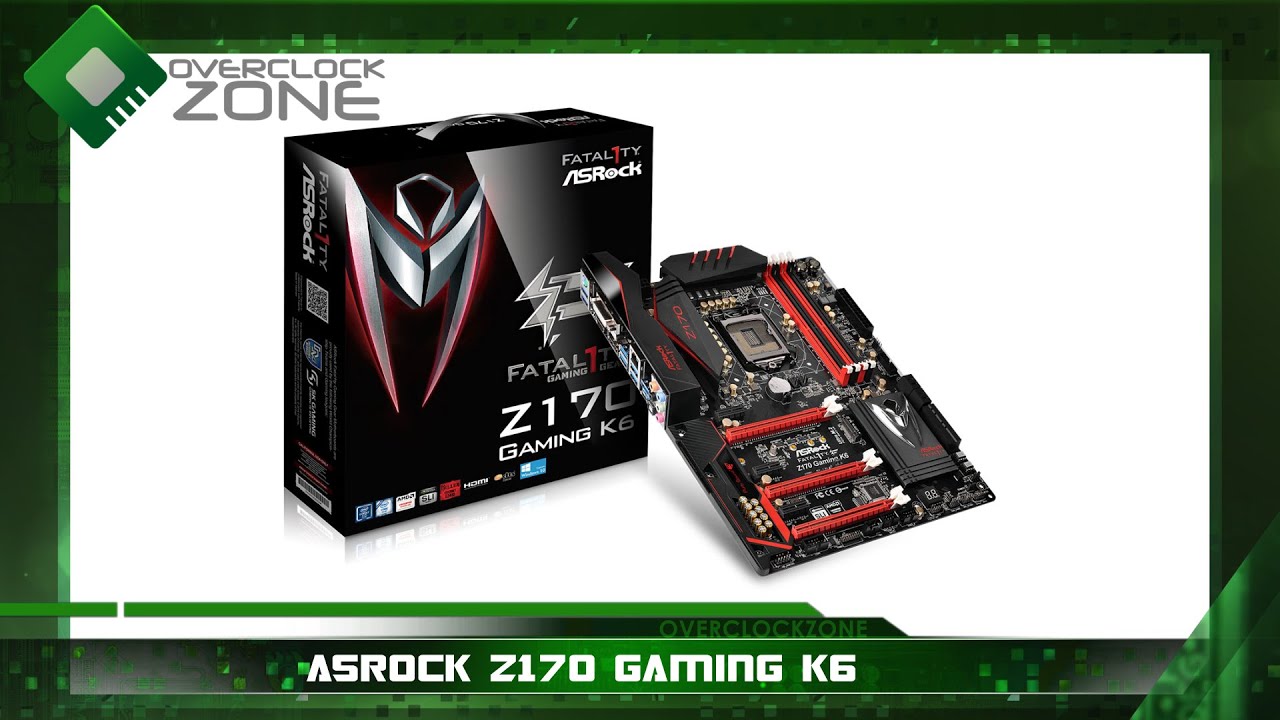
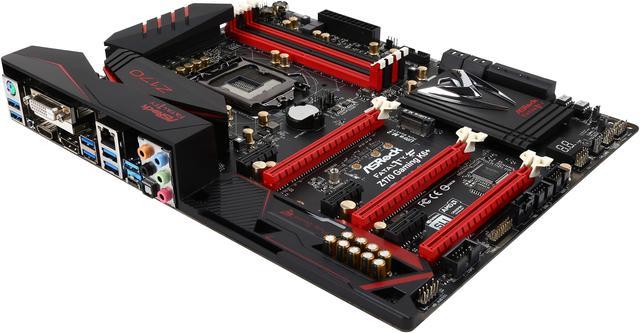
ASRock Unveils Z170 Shows Off Z170 Extreme 7 And Z170 ASRock Z170 FATAL1TY Gaming K6 . ASRock ASRock Fatal1ty Gaming Z170 Gaming K6 LGA 1151 ATX Intel 13 157 628 08 . ASRock Fatal1ty Z170 Gaming K6 ASRock Fatal1ty Z170 Gaming K6 Asrock Fatal1ty Z170 Gaming K6 . ASRock ASRock Fatal1ty Gaming Z170 Gaming K6 LGA 1151 ATX Intel 13 157 628 12 . ASRock FATAL1TY Z170 GAMING K6 YouTube

.png)
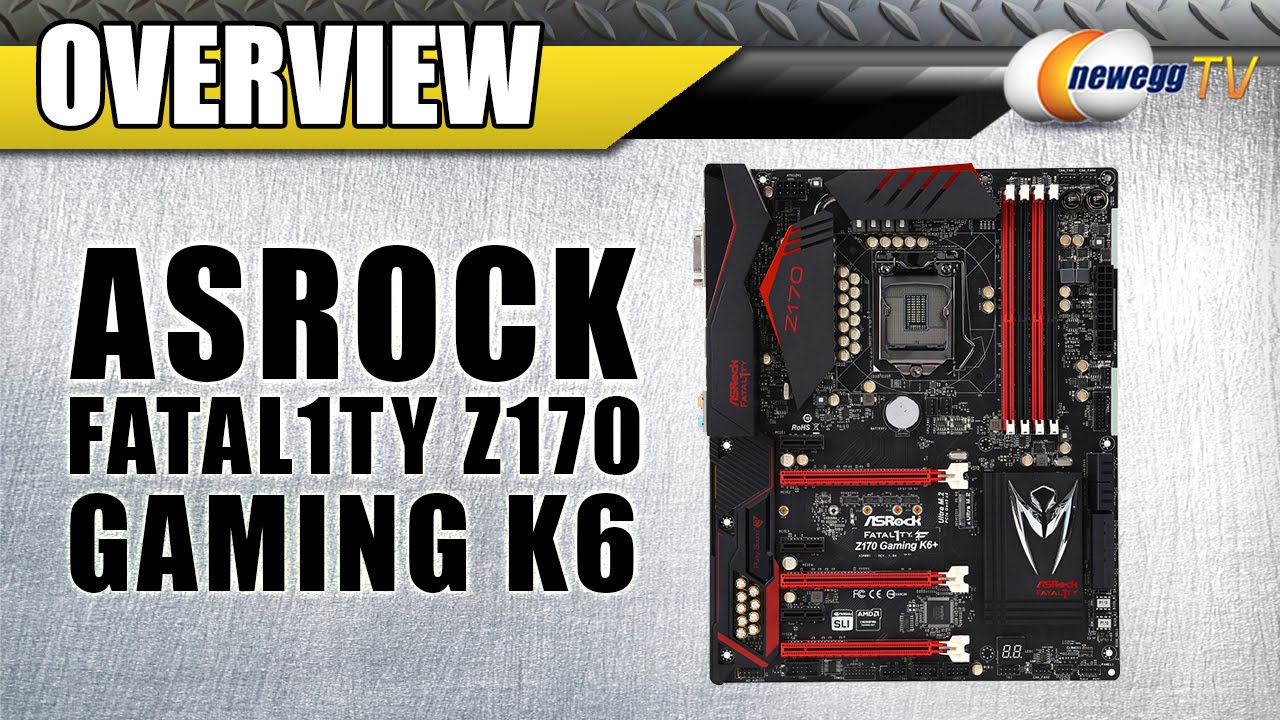
AsRock Fatality Z170 Gaming K6 I7 6700K By ThxCom Oc Guide . ASRock ASRock Fatal1ty Gaming Z170 Gaming K6 LGA 1151 ATX Intel 13 157 628 06 . Is ASRock Z170 Gaming K6 Compatible With 4060 What Are The Best Settings For An Rtx 4060 On A Z170 Motherboard . ASRock Fatal1ty Z170 Gaming K6 Motherboard Overview Newegg TV YouTube . ASRock Fatal1ty Z170 Gaming K6 Fatal1ty Z170 Gaming K6(S2)
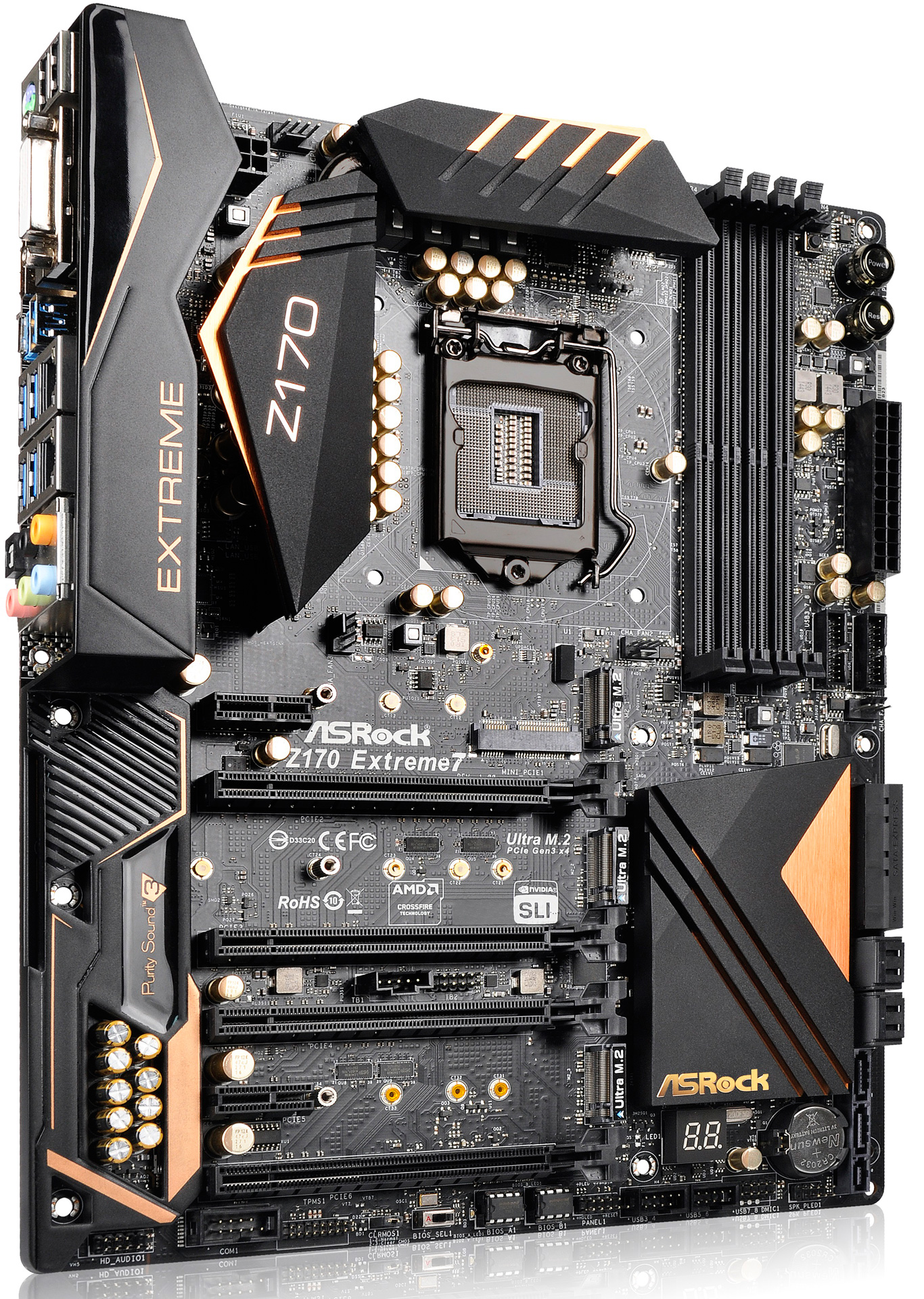
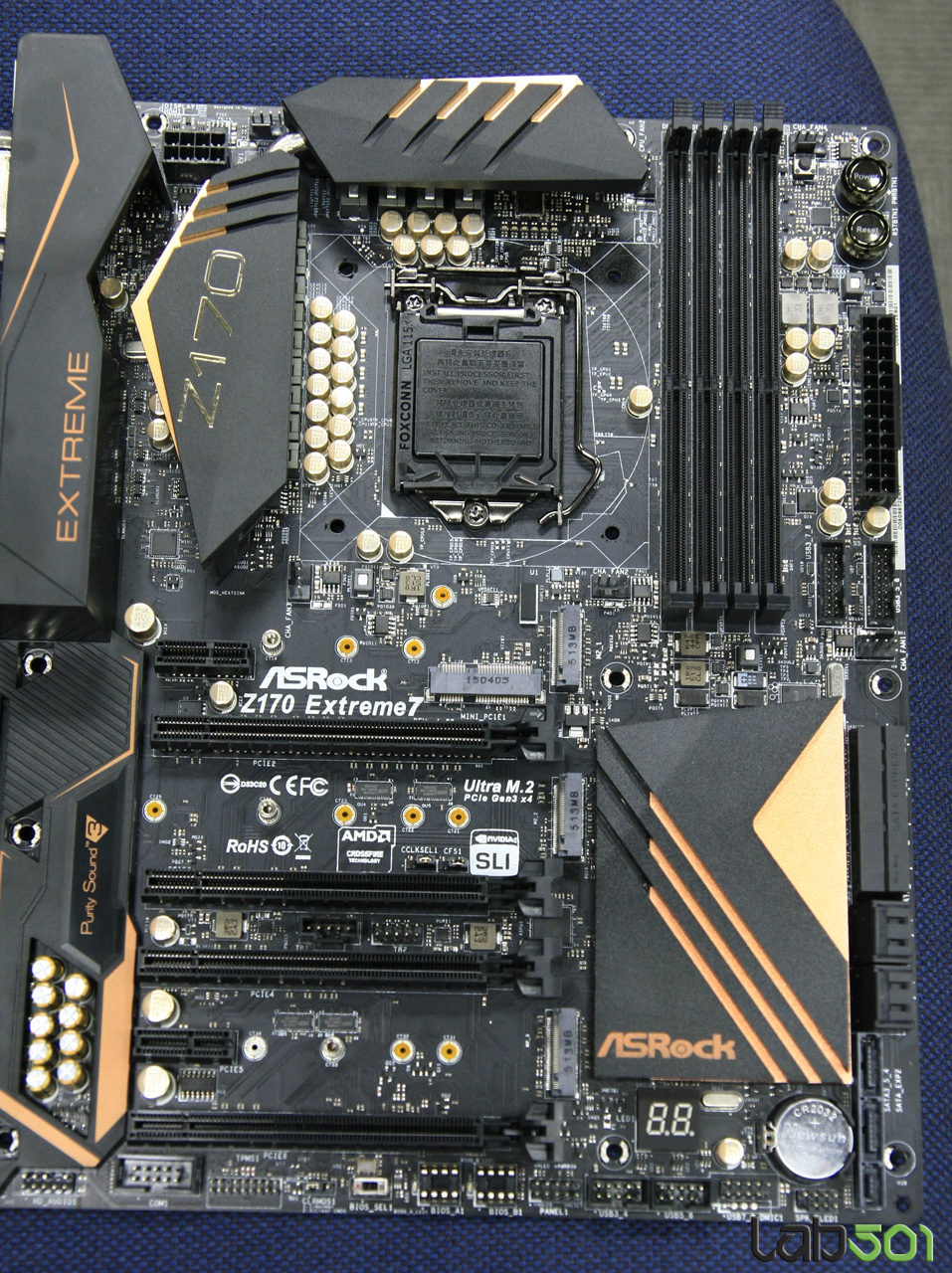
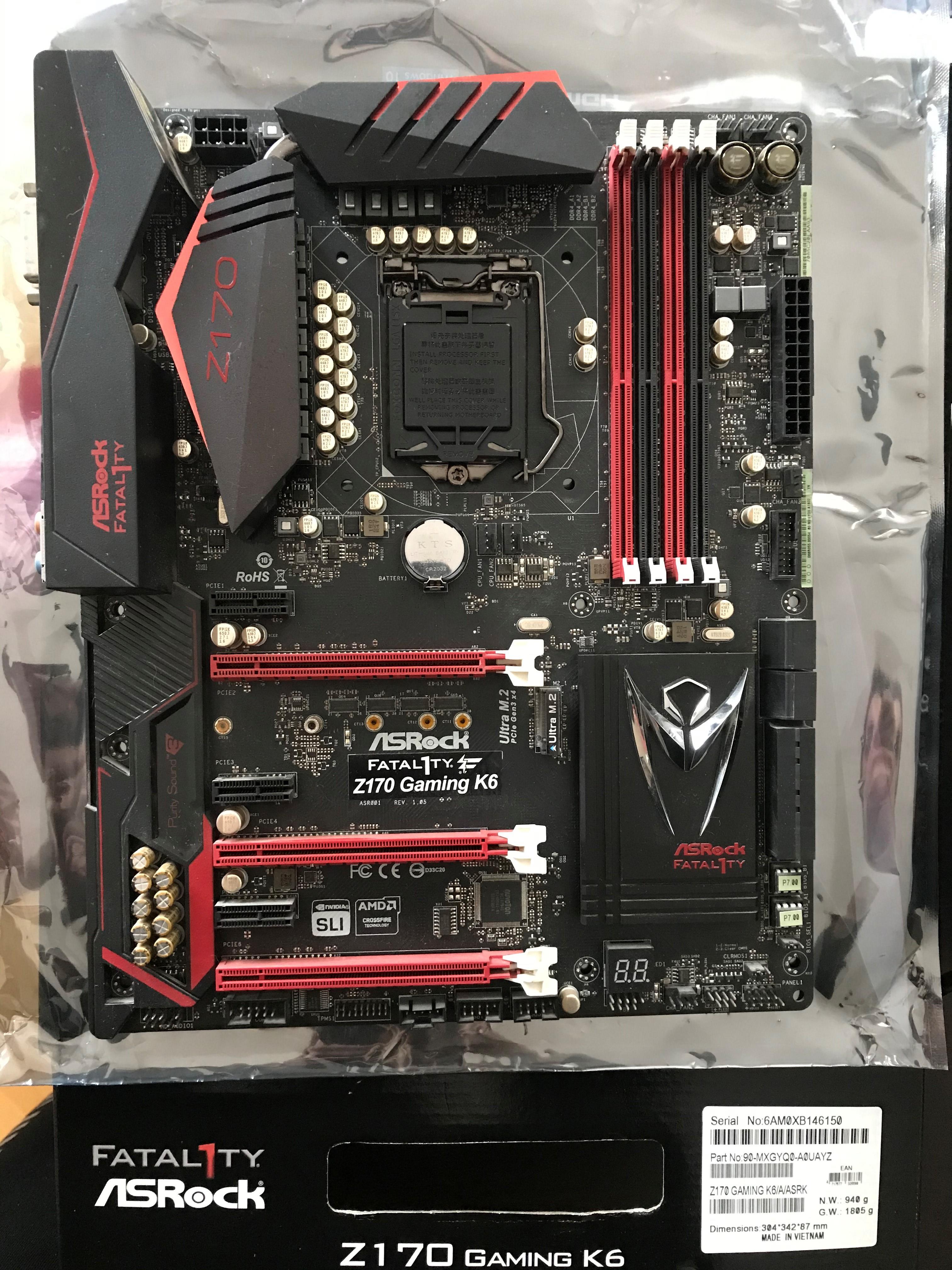
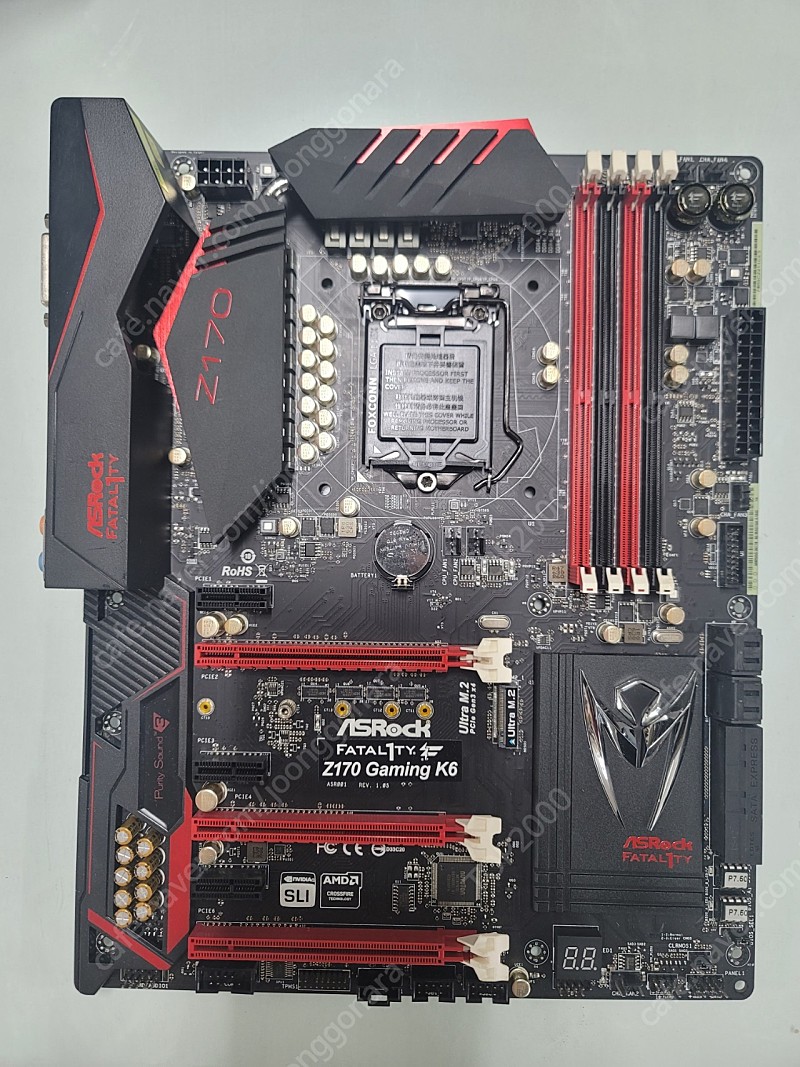
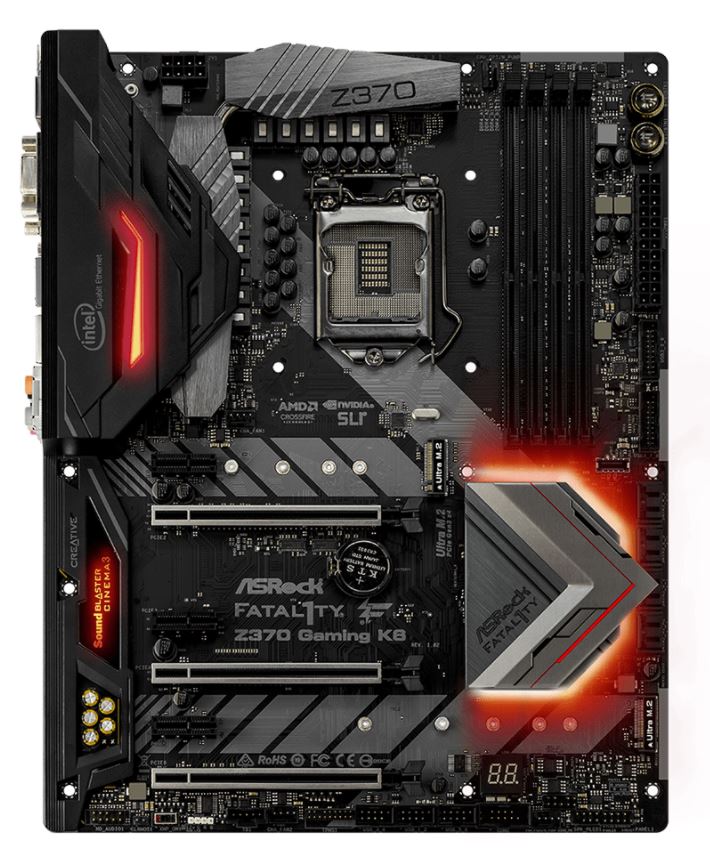
ASRock Z170 Gaming K6 I Z170 Extreme7 P Yty G Wne Dla Skylake Asrock Z170 Motherboard 2 . Lab501 Computex 2015 Asrock Z170 Extreme 7 Si Asrock Fatal1ty Z170 MG 4331 . Asrock Z170 Gaming K6 Ve Intel I7 6700k Donan MHaber Forum Aca9ae9e Af57 4621 A7de . Asrock Z170 Gaming K6 000 0OaRj . List For EK Velocity RGB Nickel Plexi Liquid ASRock Fatal1ty Z370 Gaming K6 80421
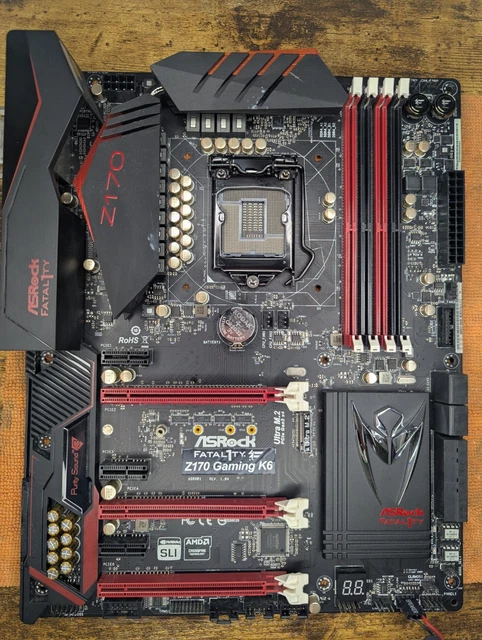
.png)
.png)
.png)
.png)
ASROCK Z170 GAMING K6 Motherboard Intel Z170 LGA 1151 4 X DDR4 ATX M 2 ASRock Z170 Gaming K6 Motherboard Intel Z170 LGA.webp. ASRock Z170 Extreme4 Z170 . ASRock Fatal1ty Z370 Gaming K6 Fatal1ty Z370 Gaming K6(L1) . ASRock Fatal1ty Z370 Gaming K6 Fatal1ty Z370 Gaming K6(L3) . ASRock Fatal1ty Z170 Gaming K4 Fatal1ty Z170 Gaming K4(L1)
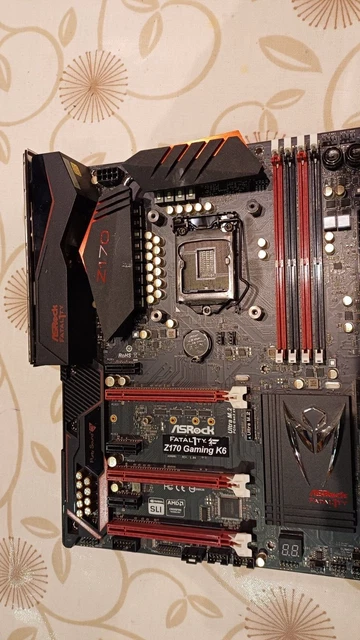
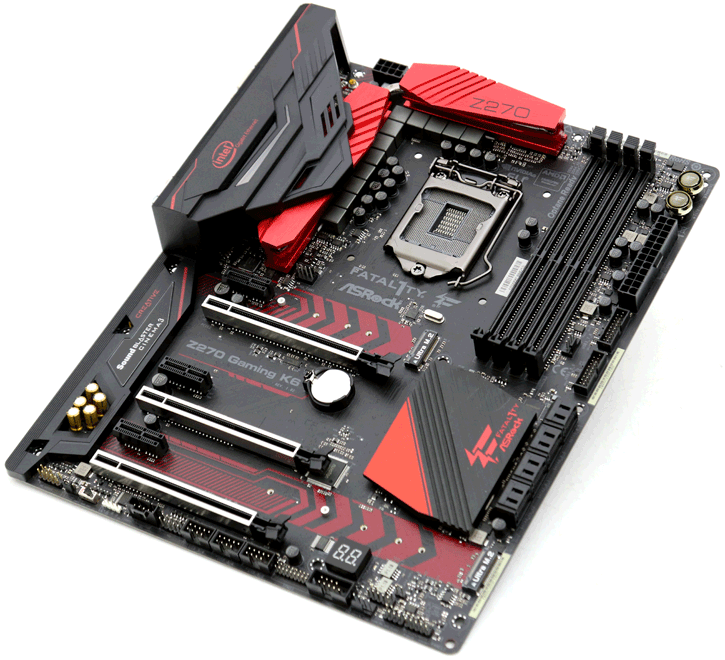
.png)
.png)
.png)
ASROCK Z170 GAMING K6 Motherboard 16 32 PicClick UK Asrock Z170 Gaming K6. ASRock Z270 Gaming K6 Fatal1ty Review Img 5737png . ASRock Fatal1ty Z270 Gaming K6 Fatal1ty Z270 Gaming K6(L3) . ASRock Fatal1ty Z270 Gaming K6 Fatal1ty Z270 Gaming K6(L4) . ASRock Fatal1ty Z370 Gaming K6 Fatal1ty Z370 Gaming K6(L4)
Z170 2025 BigGo. ASRock Fatal1ty Z170 Gaming K6 Motherboard Review Org 4 3 . ASRock Fatal1ty Z170 Gaming K6 BIOS Overview YouTube . LGA 1151 Motherboard Set ASRock Z170 Gaming K6 With Intel Core I5 6500 LGA 1151 Motherboard Set ASRock Z170 Gaming K6 With Intel Core I5 6500 Cpu Intel Z170 . ASRock ASRock Fatal1ty Gaming Z170 Gaming K6 LGA 1151 ATX Intel 13 157 628 07