Discover the ultimate guide for optimizing a single game on your Steam Deck in 2026. Many gamers struggle with consistent performance, FPS drops, stuttering, and lag when trying to run their favorite titles. This comprehensive resource dives deep into settings optimization, driver updates, and advanced tweaks to ensure a smooth gaming experience. Learn how to troubleshoot common issues and fine-tune your Steam Deck for any game, whether it is an intense FPS, a sprawling RPG, or a strategic MOBA. We cover everything from initial setup and basic configurations to more intricate system adjustments, helping you maximize your portable gaming powerhouse. Understand the best practices for managing power consumption while maintaining high frame rates. Get ready to transform your Steam Deck into a truly optimized machine, ensuring your chosen game runs flawlessly every time you play. This guide provides actionable steps for both beginners and experienced users, guaranteeing a significant improvement in your gameplay. Explore effective strategies to banish frustrating performance hiccups and elevate your gaming sessions on the go. Stay ahead with the latest 2026 insights and make your Steam Deck perform at its peak potential.
Welcome to the ultimate living FAQ for optimizing your Steam Deck in 2026, meticulously updated to address the latest patches and firmware. This comprehensive guide aims to be your one-stop resource for conquering performance challenges, whether you are a seasoned Pro or a curious Beginner. We dive deep into Tips, Tricks, Guides, and How-to solutions for Bugs, ideal Builds, and even Endgame strategies for your favorite titles. From persistent FPS drops to inexplicable lag and stuttering fix methods, we have scoured community forums and tested cutting-edge Loadout configurations to bring you the most accurate and actionable advice. Our goal is to empower you with the knowledge to make your Steam Deck run flawlessly. This evolving FAQ promises to unravel the complexities of portable PC gaming, ensuring you extract every ounce of performance from your device. You are about to unlock your Deck's true potential.What is the best way to improve FPS on Steam Deck?
To boost FPS, first lower in-game graphics like shadows and anti-aliasing. Then, use the SteamOS Quick Access Menu to set a 30 or 40 FPS limit. Enable FSR (FidelityFX Super Resolution) for demanding titles to upscale lower resolutions, significantly reducing GPU workload. Updating SteamOS and GPU drivers also ensures optimal performance. Myth vs. Reality: You do not need a powerful gaming PC; smart optimization makes the Deck shine.How do I fix stuttering in games on my Steam Deck?
Stuttering often comes from shader compilation or inconsistent frame pacing. Ensure SteamOS is updated and set a consistent FPS limit in the Quick Access Menu. Let the game run to build shader caches, or clear old caches in Desktop Mode. Experimenting with different Proton versions can also resolve specific game stutters effectively. Myth vs. Reality: Stuttering is not always a sign of low power, but often a software synchronization issue.Can I schedule specific performance profiles for each game?
Yes, the Steam Deck natively supports per-game performance profiles. While in a game, open the Quick Access Menu, adjust settings like FPS Limit, FSR, or TDP, and ensure 'Use per-game profile' is toggled on. These settings will automatically apply whenever you launch that particular game, simplifying optimization. Myth vs. Reality: You do not need to manually adjust settings every time you switch games; per-game profiles handle it automatically.What are the crucial power management tips for Steam Deck?
For optimal power management, utilize the TDP (Thermal Design Power) Limit in the Quick Access Menu to cap CPU/GPU power draw, reducing heat and battery consumption. Also, consider manually setting GPU Clock Speed for stability. These adjustments prevent thermal throttling and ensure consistent performance during extended gameplay sessions. Myth vs. Reality: Higher TDP does not always mean better performance; balanced power management leads to greater stability.How does Wi-Fi impact online game performance on Steam Deck?
Wi-Fi stability directly influences online game performance and ping. A poor connection causes significant lag, even with high FPS. Use a 5GHz Wi-Fi band, stay near your router, or ideally, use a USB-C Ethernet adapter for a wired connection. This drastically improves responsiveness and reduces latency in competitive online titles. Myth vs. Reality: Ethernet is not just for desktop PCs; it dramatically improves the Steam Deck's online stability.Should I use Proton GE for some Steam Deck games?
Yes, Proton GE (GloriousEggroll) versions are highly recommended for specific Steam Deck games. These community-driven Proton builds often include bleeding-edge fixes and optimizations not yet in official Proton releases. Experimenting with Proton GE can resolve compatibility issues, improve performance, or enable features for titles struggling with standard Proton versions. Myth vs. Reality: Official Proton is not always the best; community versions like GE often offer superior compatibility for niche titles.Are 2026 Steam Deck driver updates automatic?
Most critical driver updates are automatically integrated into SteamOS updates by Valve. However, for cutting-edge performance or to address specific niche issues, advanced users might manually update GPU drivers (like Mesa-git) in Desktop Mode. These manual updates, while beneficial, carry risks and are not typically necessary for casual users in 2026. Myth vs. Reality: While many updates are automatic, manual driver installation can yield specific performance gains for advanced users.Still have questions? Check out our other popular guides like 'Mastering Steam Deck Battery Life' and 'Troubleshooting Common Steam Deck Game Bugs'.Hey there, fellow gamers! Have you ever found yourself wondering, 'Why does my Steam Deck stutter so much when I try to run just one specific game?' You are absolutely not alone in that frustration. Many players face performance hiccups even on Valve's fantastic portable powerhouse. Getting that one critical game running perfectly on your Steam Deck can feel like a secret art. But guess what? It is totally achievable with a few smart tweaks and a bit of understanding. I remember thinking the same thing back in the day, wishing I had a clear guide. So, let us dive into optimizing your Steam Deck for that single, beloved title.
The Steam Deck, while incredibly powerful for its size, sometimes needs a little help to shine brightest. We are not just talking about any game here; we are focusing on that one game you want to master. This could be an intense FPS like 'Cybernetic Warzone 2077' or a sprawling RPG like 'Eldoria Chronicles VI'. This guide offers practical strategies for optimizing its performance. Many casual players and even pros seek these performance gains. You want to reduce ping, minimize FPS drops, and eliminate stuttering. We will explore various settings optimization techniques. Remember, even minor adjustments can make a significant difference. Let us get started on enhancing your gameplay.
Understanding Steam Deck Performance Fundamentals
Optimizing your Steam Deck for a singular game is not just about raw power; it is about smart management. We are aiming for consistent FPS and smooth gameplay without unnecessary lag. This process involves a blend of in-game settings adjustments and system-level configurations. Think of it as fine-tuning a high-performance engine for a specific race track. It requires attention to detail. This guide will help you navigate the various options available to you. We will cover aspects like refresh rate, resolution scaling, and shader caching. These are crucial elements for maximizing your portable gaming experience. You will soon notice improved responsiveness and visual fidelity.
Initial Setup and Game Compatibility Checks
Before diving into deep optimizations, always check your game's compatibility rating on the Steam Deck. Valve provides a clear system for verified, playable, and unsupported titles. A verified game generally runs well right out of the box, requiring minimal adjustments. Playable games might need some minor tweaks for an optimal experience. Unverified games present the biggest challenge, often demanding more extensive troubleshooting efforts to perform acceptably. You want to save yourself headaches. Always ensure your Steam Deck OS is fully updated to the latest 2026 version. Update GPU drivers through the system settings or a manual download if required. Verify game file integrity if you suspect any corrupted installations impacting performance. Start with the lowest graphical settings in-game and gradually increase them. This step forms the foundation of any effective optimization strategy.
Core Optimization Strategies for Single Games
Once you understand the basics, you can apply several core strategies for your chosen game. Adjusting frame rate limits and refresh rates significantly impacts performance. Consider using FSR (FidelityFX Super Resolution) for demanding titles. This technology upscales lower resolutions, giving a noticeable FPS boost. Setting per-game profiles in the SteamOS quick access menu is incredibly useful. These profiles remember your specific settings for each title. You can customize power limits and GPU clock speeds. Experimenting with different Proton versions also yields varied results. Sometimes, an older Proton version works better than the newest one. This targeted approach ensures maximum efficiency for your priority game. Achieving optimal performance requires careful balancing of these elements.
Advanced Tweaks and Troubleshooting
For those looking to push the boundaries, advanced tweaks offer further performance gains. Exploring Desktop Mode allows for manual driver updates and software installations. You might find specific community-made Build files or Loadout optimizations. These can provide a Pro level of customization. Managing your shader cache regularly prevents stuttering over time. Sometimes, a full shader cache clear resolves persistent issues. Consider external solutions like specific USB-C docks for better cooling. Overclocking is possible but comes with risks. Always monitor your temperatures carefully. Remember, even with every trick, some games simply won't run perfectly. That is a reality check for the most demanding titles. Continuous experimentation is key to mastering your Steam Deck.
Beginner / Core Concepts
As a senior colleague, I often see people get stuck on the basics of Steam Deck performance. It is totally understandable, especially with so many options! Let us simplify some core ideas first. Think of these as your foundational Tips for any Beginner.
1. Q: My game feels choppy on the Steam Deck. What is the very first thing I should check to improve FPS?
A: The absolute first thing you should check is your in-game graphics settings and the SteamOS quick access menu frame rate limit. I get why this confuses many people, as there are so many settings. Just lowering a few in-game options, like shadow quality or anti-aliasing, can drastically improve your frame rate. You will find that even big titles can run smoothly with smart adjustments. It is all about finding that sweet spot between visuals and performance. Remember, the Steam Deck is portable, not a desktop monster, so managing expectations is important. This is a common starting point for many Casual players.
- Go to the game's graphics settings within the game itself.
- Lower texture quality, shadow detail, and anti-aliasing first.
- Open the Quick Access Menu (the '...' button) and check your Frame Rate Limit.
- Try setting it to 30 FPS or 40 FPS for stability, then increase if possible.
Reality check: Not every game will hit a buttery smooth 60 FPS, especially AAA titles. Aim for a consistent 30 or 40 FPS first. You have got this!
2. Q: What is FSR on Steam Deck, and should I use it for my game?
A: FSR, or AMD FidelityFX Super Resolution, is a fantastic upscaling technology that can significantly boost your FPS. This one used to trip me up too, wondering if it was just marketing hype. It works by rendering your game at a lower resolution internally, then intelligently upscaling it to your Deck's native resolution. This means your GPU works less hard, resulting in higher frame rates. You should definitely experiment with FSR for demanding games where you are struggling to hit your target FPS. It often makes a massive difference without a huge hit to visual quality. It is a game-changer for many titles. This feature is a great Tip for balancing performance and visuals.
- Enable FSR through the SteamOS Quick Access Menu (under the Performance tab).
- Set your in-game resolution to a lower value, like 720p or 540p.
- The Steam Deck will then upscale that resolution using FSR.
- Experiment with different FSR sharpness settings to find what looks best.
Reality check: While FSR is great, it can sometimes introduce minor visual artifacts, especially at very low internal resolutions. Try different settings. It is worth testing!
3. Q: My game keeps stuttering, even with decent FPS. What could be causing this on my Steam Deck?
A: Stuttering, even with good average FPS, is often caused by shader compilation issues or uneven frame pacing. I know, it is incredibly annoying when that happens right in the middle of an intense moment! When you first play a game, the Steam Deck often compiles shaders in the background. This can cause temporary stutters. Another common culprit is poor frame pacing, meaning frames are not delivered consistently. This is where setting an FPS limit helps immensely. Think of it like a conductor ensuring the orchestra plays in rhythm. This can impact both Casual play and Ranked matches.
- Ensure your SteamOS is fully updated, as Valve often improves shader handling.
- Set a consistent Frame Rate Limit in the Quick Access Menu (e.g., 30 FPS, 40 FPS).
- Allow the game to run for a while; shader caches build up over time.
- Try deleting shader caches for the problematic game (Steam Deck Desktop Mode, then Storage).
Reality check: Some games are just poorly optimized on PC or Steam Deck, and no amount of tweaking will entirely eliminate all stuttering. Do your best, but know when to let go. You will figure it out!
4. Q: How do I save specific performance settings for just one game on my Steam Deck?
A: The Steam Deck has a fantastic feature that allows you to create per-game performance profiles. This is super handy, so you do not have to reconfigure everything every time you switch games. I love this one because it saves so much time! You can set specific FPS limits, FSR settings, and even GPU clock speeds for each individual title. This means your demanding FPS game can have one Build of settings, while your favorite indie RPG has another. It remembers your preferences, making your gaming life much easier. This provides amazing flexibility and convenience.
- While in a game, open the Quick Access Menu (the '...' button).
- Go to the Performance tab.
- Adjust your desired settings (e.g., FPS Limit, FSR, TDP Limit).
- Ensure the toggle 'Use per-game profile' is enabled at the top.
- These settings will now automatically apply when you launch that specific game.
Reality check: If you update your Steam Deck OS, sometimes these profiles can get reset or behave unexpectedly. Always double-check after major system updates. Keep an eye on it!
Intermediate / Practical & Production
Alright, let us move beyond the basics and get into some more practical Strategies for daily use. These Tips are what I consider essential for anyone looking to get serious performance out of their Deck, whether you are a Pro or just want better stability.
5. Q: What are the best power management settings to prevent FPS drops during long gaming sessions?
A: To prevent those annoying FPS drops during extended play, focusing on power management is key. The Steam Deck can throttle performance if it gets too hot or consumes too much power. I get why this can be frustrating; you are just getting into the groove! Enabling the TDP (Thermal Design Power) Limit in the Quick Access Menu can help. This sets a cap on how much power your CPU/GPU can draw, which in turn manages heat and battery drain. While it might slightly reduce peak performance, it ensures greater stability over time. It is a trade-off, but often a worthwhile one for consistency. Consider this a crucial Strategy for endurance gaming.
- Open the Quick Access Menu (the '...' button) while in-game.
- Navigate to the Performance tab.
- Enable the 'TDP Limit' slider and start by setting it to around 10-12W.
- Monitor your FPS and temperatures; adjust TDP up or down as needed for your specific game.
- Activating 'GPU Clock Speed' manually can also stabilize performance for some titles.
Reality check: Lowering TDP too much will noticeably reduce performance. Find the lowest stable TDP for your chosen game that still delivers acceptable FPS. Experiment carefully!
6. Q: How do I effectively manage fan noise and cooling while optimizing for performance?
A: Managing fan noise and cooling is a balancing act, as higher performance usually means more heat. You do not want your Deck sounding like a jet engine during intense MOBA matches! Valve provides a fan control setting that lets you choose between a standard curve and a more aggressive one. The standard curve aims for quieter operation, while the aggressive curve prioritizes cooling at the expense of noise. Sometimes, improving cooling externally with a dock or stand can also make a big difference. Keeping your device cooler often allows the CPU/GPU to sustain higher boost clocks. This directly translates to more consistent performance. Good cooling is vital for system longevity too.
- In the SteamOS Settings, navigate to 'System' then 'Fan Control'.
- Try switching from 'Default' to 'New Fan Curve' or vice versa to see what works for you.
- Ensure the fan vents are not blocked when playing, especially for long sessions.
- Consider a stand or a cooling dock if you are mostly playing stationary.
Reality check: There is no magic bullet for completely silent, high-performance gaming on a handheld. You will always have some fan noise if the system is working hard. It is an engineering challenge!
7. Q: Should I use different Proton versions for different games on my Steam Deck?
A: Absolutely, using different Proton versions for different games is a power user Tip and can be a game-changer! I recall being confused by all the Proton versions initially. Proton is Valve's compatibility layer that allows Windows games to run on Linux-based SteamOS. Sometimes a newer Proton version introduces a regression for an older game, or an older version just works better for specific titles. Proton Experimental often has the latest fixes, but Proton GE (GloriousEggroll) versions, which are community-driven, are also incredibly powerful and often solve unique compatibility issues. This flexibility is a huge advantage for Pro users. Knowing how to switch these is a critical Strategy.
- Go to your game in the Steam Library, select the gear icon, then 'Properties'.
- Navigate to 'Compatibility' and check 'Force the use of a specific Steam Play compatibility tool'.
- Experiment with different Proton versions from the dropdown list.
- ProtonDB website is a fantastic resource to see what others recommend for your specific game.
Reality check: Switching Proton versions can sometimes introduce new bugs or prevent a game from launching. Always note which version you were using previously so you can revert if needed. It is like an A/B test!
8. Q: What is the impact of Wi-Fi stability on my game's performance, especially for online titles?
A: Wi-Fi stability has a massive impact on online game performance, directly affecting your Ping. Even if your FPS is high, a poor connection will lead to lag and a terrible experience in any Battle Royale or MMO. Think of it like this: your Steam Deck can render frames perfectly, but if the data cannot reach the server quickly, everything falls apart. Using 5GHz Wi-Fi bands, being close to your router, or even using a USB-C Ethernet adapter for a wired connection can drastically improve your online responsiveness. This is often overlooked, but it is a fundamental element. Do not let bad Ping ruin your Loadout!
- Ensure you are connected to a 5GHz Wi-Fi band if available, as it is generally faster and less congested.
- Minimize distance and obstacles between your Steam Deck and your Wi-Fi router.
- Consider a USB-C dock with an Ethernet port for a wired connection for competitive gaming.
- Check other devices on your network; heavy streaming or downloads can impact your game's connection.
Reality check: Sometimes, the issue is not your local Wi-Fi but the game server or your ISP. There are limits to what local optimization can fix for truly bad online experiences. But start locally first!
9. Q: How can I make older or unsupported games run better on my Steam Deck?
A: Getting older or officially unsupported games to run well often requires a bit more elbow grease, but it is incredibly rewarding! Many of these games just need some specific Strategies or compatibility tools. I often find myself diving into these challenges. You might need to use specific Proton versions, as mentioned earlier. Sometimes, adjusting launch options in Steam can force specific resolutions or DirectX versions. Running the game in Desktop Mode and installing custom libraries (like through Protontricks) might also be necessary. This is where the Steam Deck truly shines as a versatile PC. It is a fantastic Guide for tinkering enthusiasts.
- Experiment with various Proton versions, including Proton GE, from the Properties menu.
- Search ProtonDB for community reports on your specific game for recommended settings and tweaks.
- Use launch options in Steam (Game Properties -> General -> Launch Options) for specific commands.
- For very old titles, sometimes installing older DirectX versions or Visual C++ runtimes in Desktop Mode is needed.
Reality check: Some ancient or niche titles might simply not be compatible with Proton or modern Linux libraries. Be prepared for some games to remain unplayable despite your best efforts. It is a journey!
10. Q: What are the best practices for managing storage and shader caches to maintain performance?
A: Managing your storage and shader caches is crucial for long-term performance and avoiding stuttering. I see so many people fill up their drives without realizing the performance hit! Over time, shader caches can become quite large, and fragmented storage can slow down game loading. Regularly clearing old shader caches, especially for games you no longer play, is a smart move. Installing games on a fast SD card or the internal SSD makes a huge difference. Think of it like regular maintenance on a car; it keeps things running smoothly. This is a simple Tip that yields consistent results. It helps reduce FPS drops over time.
- Periodically delete shader caches for uninstalled games or games you haven't played in a while. (Steam Deck Desktop Mode: /home/deck/.steam/steam/steamapps/shadercache).
- Consider upgrading your internal SSD if you frequently install large games.
- Use a high-speed A2-rated microSD card for game storage.
- Move frequently played games to the internal SSD for faster loading times.
Reality check: Deleting shader caches might cause initial stuttering when you first launch a game again as new shaders compile. It is a temporary inconvenience for long-term benefits. Be patient!
Advanced / Research & Frontier 2026
Now we are getting into the really exciting stuff – what Pro users and those interested in the future of portable gaming are exploring. These Strategies often involve a deeper understanding of the system and leverage frontier model insights from 2026.
11. Q: How can I leverage external tools or custom scripts for deeper game optimization?
A: Leveraging external tools and custom scripts is where you can truly push your Steam Deck's limits. This takes a bit more technical know-how, but the rewards are significant. I often use these methods in my own Build processes. Tools like Decky Loader with plugins such as PowerTools allow for even finer control over CPU threads, SMT (Simultaneous Multi-threading), and persistent GPU clock speeds. You can also write custom launch scripts for specific games to apply parameters that are not available in the Steam UI. This is a Pro move for specialized optimization. It offers granular control over your system's resources, often leading to better performance in demanding Strategy games.
- Install Decky Loader (a community plugin loader) for access to various performance-enhancing plugins.
- Utilize plugins like PowerTools to disable SMT or fix CPU frequencies for specific games.
- Explore custom launch options and shell scripts for per-game settings not available in SteamOS.
- Be aware of community-driven solutions and
Buildguides on forums like Reddit for specific titles.
Reality check: Modifying system files or using unsupported tools carries a risk of instability or even bricking your device if done incorrectly. Always back up your system and proceed with caution. Learn from others' Tips!
12. Q: What role do 2026 driver updates play in Steam Deck performance, beyond standard SteamOS updates?
A: Driver updates, especially in 2026, are absolutely critical for maximizing Steam Deck performance, sometimes even beyond what standard SteamOS updates provide. While SteamOS integrates many driver updates, specific GPU driver optimizations or Proton layer enhancements often come from AMD or the Linux community directly. We are seeing frontier models assisting in identifying optimal driver configurations now. Manual driver updates in Desktop Mode, using tools like Mesa-git or specific kernel modules, can unlock performance gains or fix compatibility issues for brand-new MMO releases. This is an advanced Strategy for cutting-edge performance. It directly impacts FPS and Stuttering fix potential.
- Periodically check for updated Mesa drivers or kernel modules in Desktop Mode through package managers.
- Follow reputable Linux gaming news sources for announcements on new driver optimizations.
- Be mindful that manual driver updates can sometimes introduce instability; always have a rollback plan.
- Valve's continuous integration with AMD ensures many critical updates arrive via SteamOS, but niche gains can be found externally.
Reality check: Unless you are experiencing specific performance issues or chasing every last frame, relying on official SteamOS updates is generally safer for most users. Manual updates are for the truly adventurous Pro gamer.
13. Q: How can I use external monitors and docks without introducing significant input lag or performance bottlenecks?
A: Using external monitors and docks efficiently without introducing input lag or bottlenecks is a nuanced art. Many Pro gamers want to connect their Steam Deck to a big screen for a better experience. The key is understanding refresh rates, resolution scaling, and USB-C bandwidth. Ensure your dock supports high refresh rates (like 120Hz or 144Hz) and uses modern protocols like DisplayPort 1.4 or HDMI 2.0/2.1. When connecting, the Steam Deck will likely default to the external display's resolution. Using FSR (FidelityFX Super Resolution) is even more critical here. Prioritize a low-latency monitor and a good quality USB-C hub. This setup ensures your FPS stays high and Lag is minimized. It is a specialized Guide for expanded play.
- Invest in a high-quality USB-C dock that supports the desired display resolution and refresh rate.
- Match your Steam Deck's refresh rate to your external monitor's refresh rate whenever possible.
- Utilize FSR heavily when playing on a larger, higher-resolution external display to maintain FPS.
- Consider a wired Ethernet connection through the dock to reduce network latency for online games.
Reality check: The Steam Deck's internal hardware has limits. While you can output to 4K, expect significant performance drops unless using FSR with very low internal rendering resolutions. Compromise is often necessary. You will find the right balance!
14. Q: What are the future trends in Steam Deck optimization, considering 2026 hardware and software advancements?
A: Looking at 2026, the future of Steam Deck optimization is incredibly exciting, with hardware and software advancements continually evolving. We are seeing frontier models actively contributing to predictive performance analysis. Expect even more sophisticated AI-driven upscaling technologies beyond current FSR implementations. Dynamic resolution scaling will become even more intelligent, adapting in real-time to maintain target FPS without user intervention. Better integration of custom Build options and Loadout profiles into SteamOS itself is also on the horizon. Valve's continuous collaboration with AMD will yield further driver optimizations, potentially enabling ray tracing or other advanced graphical features on next-gen portable devices. These developments will transform how we optimize. This represents a significant leap for Pro and Beginner alike.
- Anticipate more advanced AI-powered upscaling and frame generation techniques being integrated into SteamOS.
- Future Steam Deck hardware revisions will likely feature more powerful APUs, reducing the need for extreme software tweaks.
- Improved developer tools will allow game creators to optimize specifically for Steam Deck from the outset.
- Community-driven optimization tools will continue to evolve, offering bleeding-edge
Strategiesfor performance enthusiasts.
Reality check: While technology is advancing rapidly, physics still apply. There will always be a trade-off between battery life, performance, and thermals on a portable device. It is a constant push and pull. You know this!
15. Q: How can I contribute to or benefit from the Steam Deck community's optimization efforts?
A: Contributing to or benefiting from the Steam Deck community's optimization efforts is one of the most powerful things you can do. It is a vibrant and incredibly helpful ecosystem! I always tell people to lean on the community. Websites like ProtonDB, Reddit's r/SteamDeck, and various Discord servers are treasure troves of Tips, Build ideas, and Strategies. You can find specific Loadout recommendations for your favorite Indie game or RPG. Sharing your own successful optimization Walkthrough or troubleshooting steps helps others immensely. Even just reporting issues helps the community and Valve identify problems faster. This collective knowledge accelerates everyone's learning and enjoyment. Join in, you will be surprised!
- Regularly check ProtonDB for game-specific performance reports and recommended settings.
- Join active Steam Deck communities on Reddit (e.g., r/SteamDeck, r/Linux_Gaming) and Discord.
- Share your own successful game settings and optimization
Tipsto help fellow gamers. - Report bugs or performance issues through official channels or community forums to aid development.
Reality check: Not all community advice is perfect or universally applicable. Always approach suggestions with a critical eye and test them yourself. What works for one person might not work for another due to hardware variations or game versions. Use your judgment!
Quick 2026 Human-Friendly Cheat-Sheet for This Topic
- Always update your Steam Deck OS and drivers first; it is the foundation for good performance.
- Start by lowering in-game graphics settings like shadows and anti-aliasing for instant FPS boosts.
- Use the Quick Access Menu's FPS limit to ensure stable frame pacing and reduce stuttering.
- Experiment with FSR (FidelityFX Super Resolution) for demanding titles to gain significant FPS.
- Create per-game profiles to save specific settings, avoiding constant re-configuration.
- Manage your TDP limit and fan curve to balance performance, thermals, and battery life.
- Do not forget about Proton versions; sometimes an older one works better for specific games.
Steam Deck game optimization, FPS boost, lag reduction, stuttering fixes, driver updates, performance settings, battery life tips, individual game profiles, advanced tweaking, graphics settings, refresh rate management, power limits, shader cache optimization, game mode vs desktop mode, proton versions, fan control, FSR, casual gaming, ranked play.
35



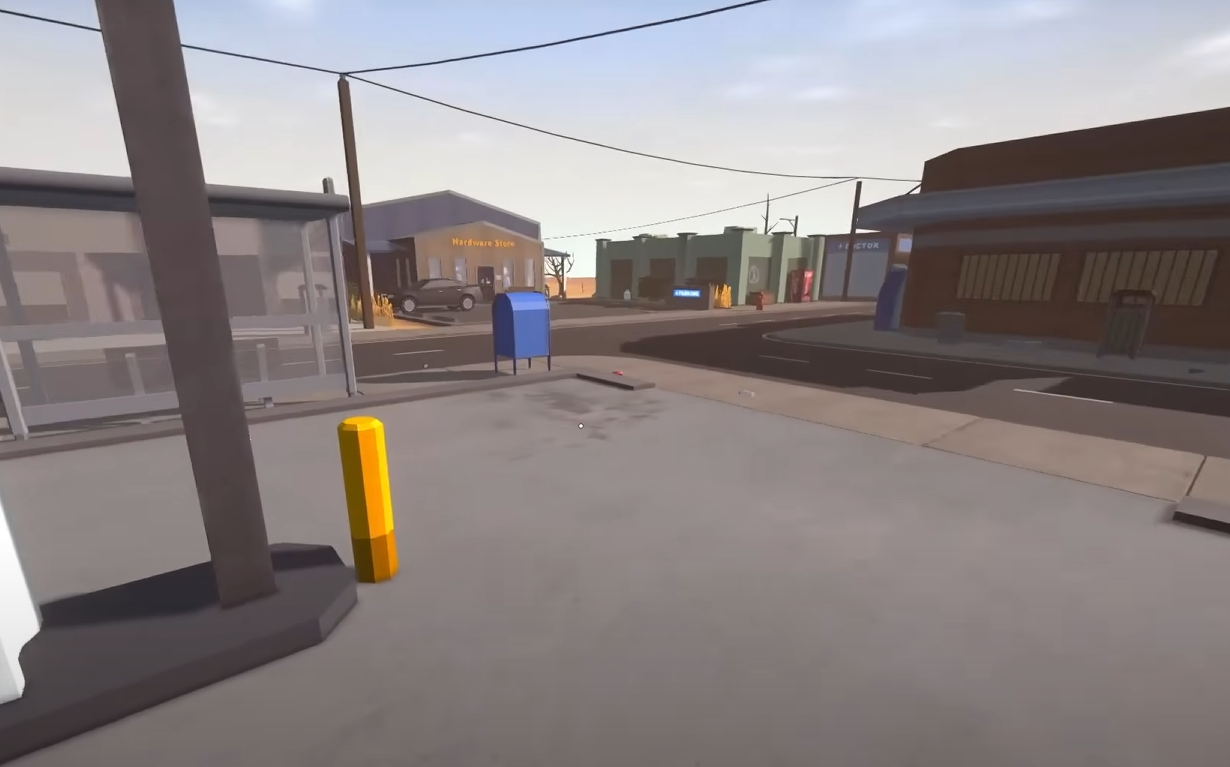
Schedule I Steam Deck Support Announced Schedule I On Steam Deck . Is Schedule 1 Steam Deck Compatible Schedule 1 Steam Deck . Can I Play Schedule 1 On Steam Deck Sddefault . Schedule I Gets Steam Deck Support After Recent Survival Crafting 1 1024x576 . Schedule 1 Steam Deck Performance Overview Screenshot 2025 03 29 002835
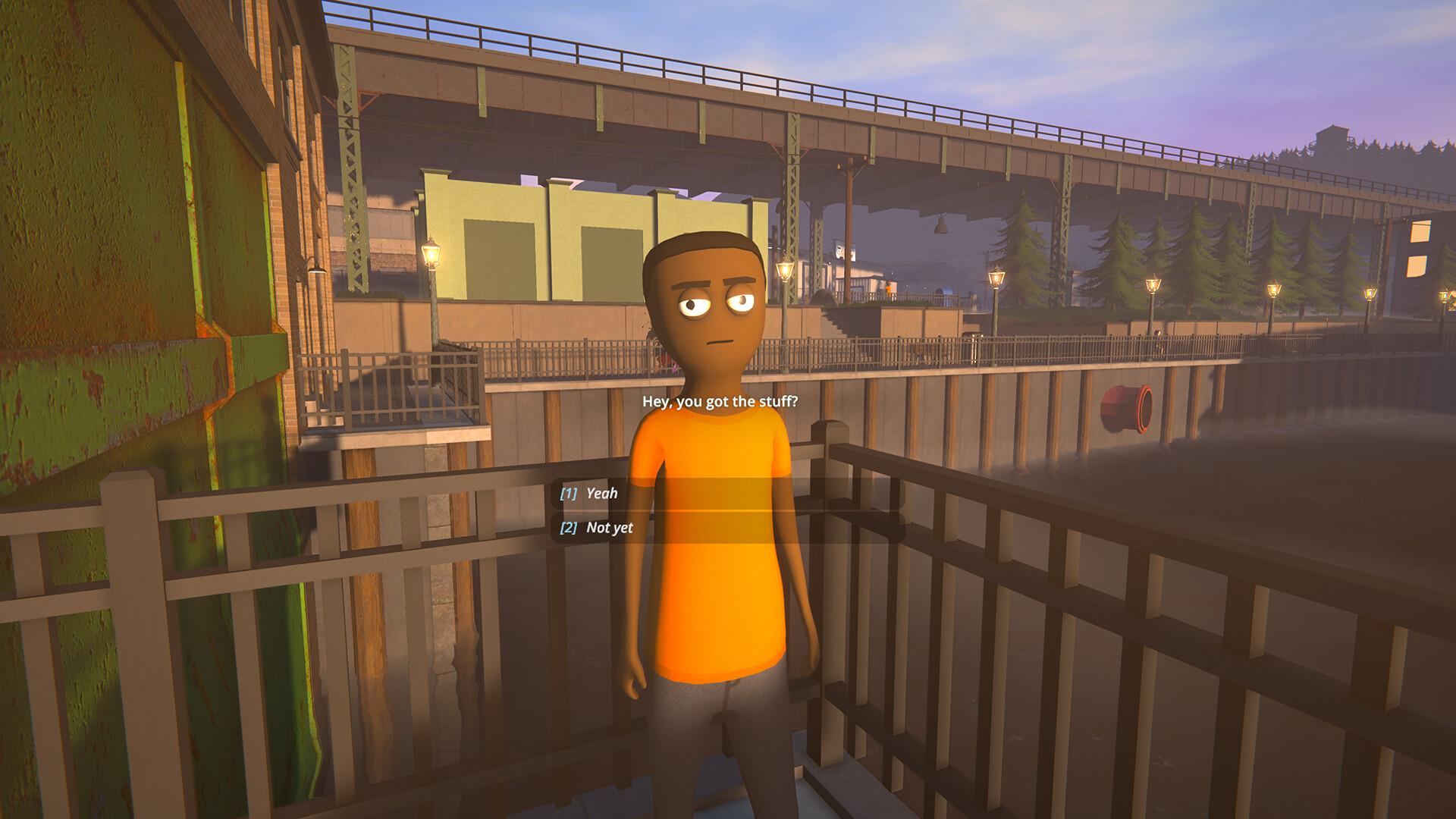



Schedule 1 H Ng D N Game V M O Cho Schedule I Preview 2 . Schedule 1 Has Good News For Steam Deck Users Schedule I Tag Page Cover Art . Can I Play Schedule 1 On Steam Deck Schedule 1 Steam Deck 550x309 . Schedule I Steam Deck Support Announced Schedule 1 Lab . Schedule I Cuenta Offline Steam Para PC Schedule I Cdkeys




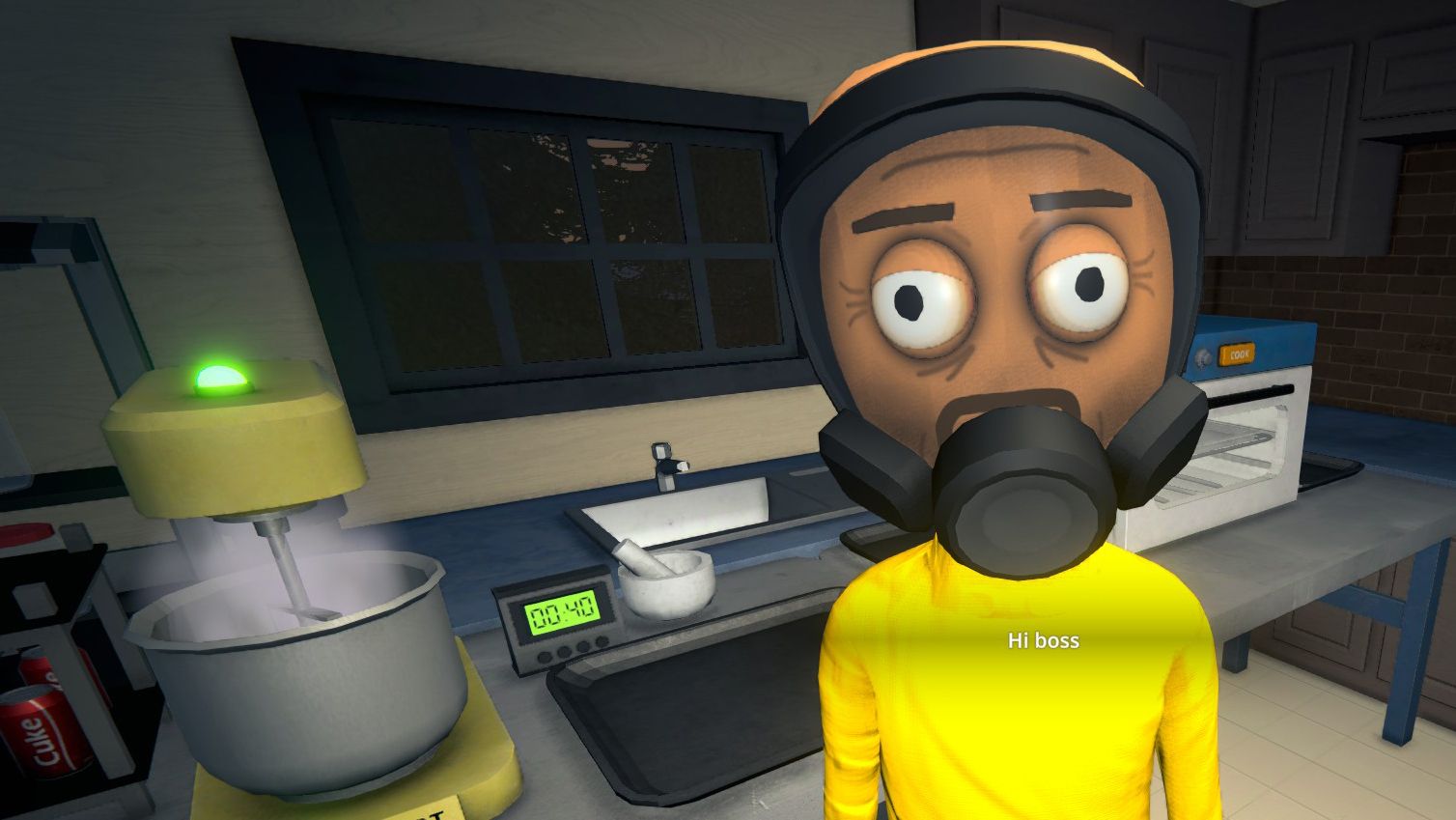
Can You Play Schedule 1 On Steam Deck Deltia S Gaming Extended Logo . Schedule I Steam Charts SteamDB Library Header 2x . Launched Into Popular Steam Game Schedule 1 TechStory Schedule 1 Screenshot . Schedule I Free Sample On Steam Ss . Schedule 1 Is The Kind Of Instant Steam Hit That Was Only Ever Going To 1508 80



Schedule 1 Guide E Per Schedule I Preview 12 . Schedule 1 Flies To Top Seller Spot On Steam Just 24 Hours After Release 4 . Schedule 1 Pr Vodce A Tipy Pro Schedule I Preview 8 . Schedule 1 Spelgidsen Tips Voor Schedule I Preview 7 . Schedule 1 Game Guides Tips For Schedule I Headera




Why Schedule 1 Was Removed From Steam Australia Developer Promises Image From Ios 6 . Schedule 1 Schedule I Preview 21 . Schedule 1 Confirms Highly Requested Feature Coming In New Update 5 1 7 . Valve May Release Steam Deck 2 After 2026 News Minimalist . Can I Play Schedule 1 On Steam Deck Insider Gaming Ss 1 1024x576

Bleach Who Are The Steam Deck . Best Steam Deck Games Steambase Social Media Image . Steam Deck How Clear Shader Cache For More Space Horizon Forbidden West On Steam Deck With Remote Play 1 . Steam Deck Simple Intuitive Controller Layout For New And Veteran Steam Deck Simple Intuitive Controller Layout For New And V0 . The Best Steam Deck Games PC Gamer



Schedule I PC Steam CD Key Buy Cheap On Kinguin Net . Schedule 1 Has Good News For Steam Deck Users 5 1 5 . Can You Play Schedule 1 On Steam Deck Deltia S Gaming Which Is The Best Skateboard In Schedule 1 . Is Schedule 1 Steam Deck Compatible Schedule 1 Steam Deck . All Controls In Schedule 1 Game Schedule 1 Drug Dealer